



January transforms the Kruger National Park into one of the most exhilarating birding destinations in Africa. The rains ignite an explosion of life—blooming vegetation, buzzing insect activity, and full rivers—setting the stage for exceptional summer Kruger Park birding. Resident species display brilliant breeding plumage, while migratory visitors fill the skies, treetops, and riverbanks with vivid colour and constant movement.
This is one of the richest and most rewarding times of year to visit the park for anyone with a love of birds. You can tick off dozens of species within the first few drives, including rare summer-only sightings, with the right Kruger birding guide.
This guide explores the highlights of January birding, from local favourites to migratory birds Kruger attracts each year, plus a comparison with other major birding destinations.
Rare Kruger park birding experiences in summer to look forward to
When it comes to rare birds to see in Kruger in summer, January is the peak season.
Popular sightings include:
African Finfoot
One of Southern Africa’s most sought-after birds. Elusive and elegant, it glides silently along the quieter stretches of the Sabie and Olifants rivers.
African Pygmy Kingfisher
A jewel-like bird drawn in by January’s abundance of insects. Often seen perching low in dense riverine vegetation.
Amur Falcon
These long-distance migrants arrive en masse in mid-summer, taking advantage of Kruger’s insect-rich skies.
These rarities, paired with vibrant residents such as the violet-backed starling, pearl-breasted swallow, and white-fronted bee-eater, form the backbone of a world-class Kruger Park birding experience.
Meet the migrants: January’s travellers arrive
January is dominated by the dazzling movement of migratory birds Kruger welcomes each summer. Highlights include:
- Woodland Kingfisher –Their electric-blue feathers and unmistakable trilling call are a hallmark of the Kruger summer.
- European & Broad-billed Rollers – Masters of colour and aerial display, often perched on burnt trees or hovering near termite mounds.
- Yellow-billed Kites – Filling the sky with swirling displays as they hunt, scavenge, and soar along river systems.
January is a dream for photographers, families, and seasoned birders alike with so much movement and activity.
Local favourites: South African safari birds at their best
Common South African safari birds put on exceptional displays in summer. Look out for:
- Spectacled Widowbirds adorned in their overwhelming black breeding plumage and long tails.
- Fork-tailed Drongos performing aerial acrobatics as they snatch insects mid-flight.
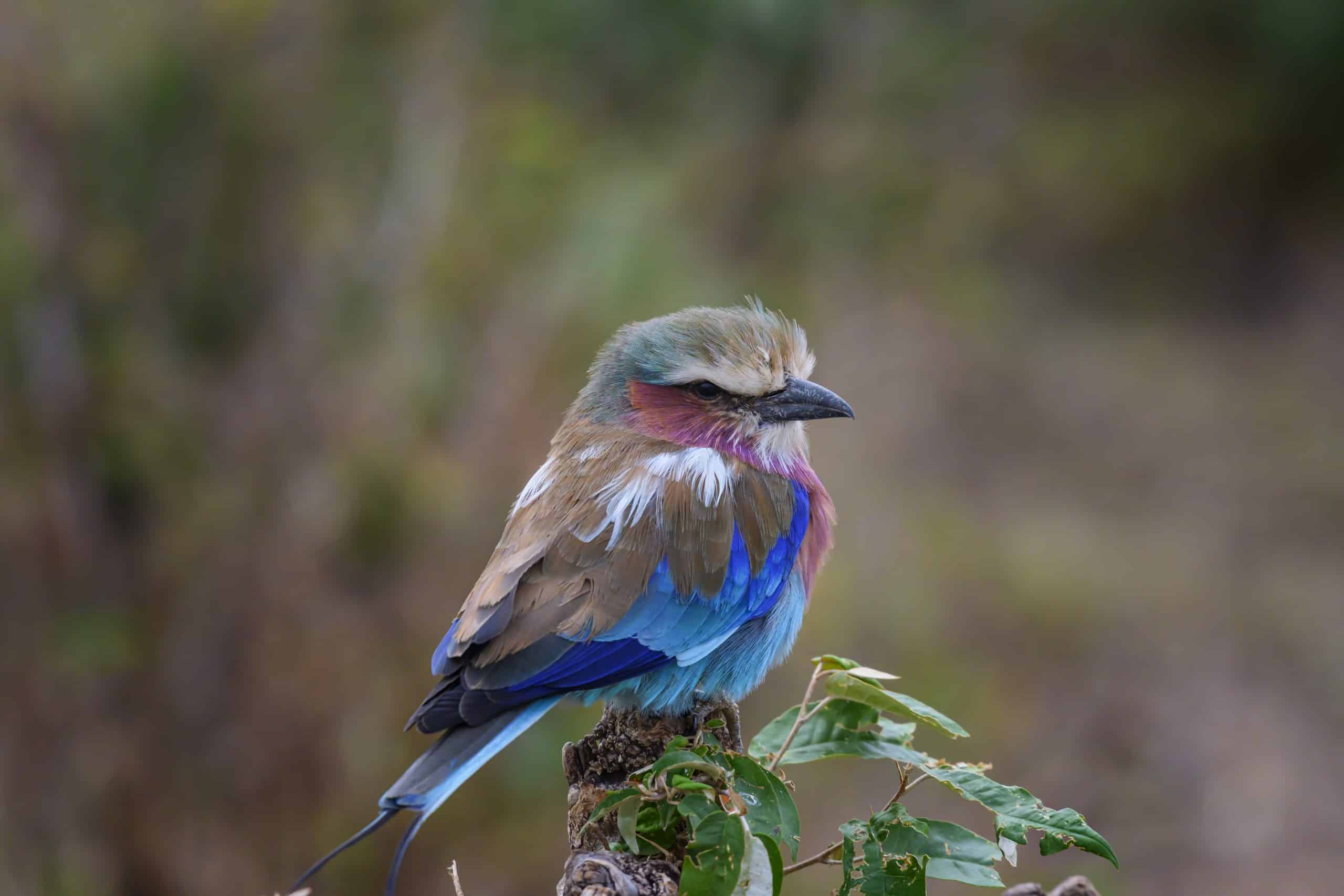
- Lilac-breasted Rollers dazzling in rich summer light.
- Southern Ground Hornbills walking through dewy grasslands at first light.
These iconic species are especially active in January, offering wonderful sightings from sunrise to sunset.
How Kruger birding compares: Kruger vs. Serengeti vs. Zambezi
Birders compare Kruger with other top African destinations like the Serengeti or the Zambezi River Basin, but Kruger consistently comes out ahead for summer birding. Here’s why:
Higher species diversity
- Kruger: Over 520+ recorded bird species, with exceptional summer migrant numbers.
- Serengeti: Around 500 species, but many areas are more open and less varied in habitat. Learn more about the differences between parks in our African Safari Holiday: Kruger National Park vs Serengeti guide.
- Zambezi Region: Rich riverine birdlife, but fewer large woodland and savanna species than Kruger.
More diverse habitats in a smaller area
Kruger offers riverine trees, open savannas, woodlands, cliffs, mountains, pans, and floodplains, all within short driving distances. This creates compact, high-yield birding.
Better road network & viewing access
The Kruger is unlike the Serengeti, with a vast road network that allows easy access to prime birding hotspots without long travel gaps.
Peak summer activity
While the Serengeti’s wet season can limit movement, Kruger’s summer months intensify bird activity, creating some of the best viewing conditions in the region.
Bottom line:
Kruger outperforms both Serengeti and the Zambezi if your goal is high-volume, high-variety, high-colour summer birding.
New to birding? Tips to get started in Kruger
January in Kruger is the perfect place to begin your birdwatching journey, whether you’re starting a new hobby or finally ticking off a bucket-list dream. The month’s abundance of species, active behaviour, and vivid colours make identification easier and the experience more rewarding. Here’s how new enthusiasts can get started confidently:
Begin with the easy, high-activity species
Don’t start with the rarest species right away. Instead, learn the common South African safari birds first: hornbills, rollers, starlings, bee-eaters, and drongos. These birds are highly visible, brightly coloured, and regularly encountered, which makes them perfect for building your ID skills.
Use a Kruger birding guide (digital or printed)
A good Kruger birding guide helps you distinguish key features such as calls, wing patterns, behaviour, and habitat. Many apps also include maps and audio, perfect for learning the songs of summer migrants like the woodland kingfisher. Try Sasol’s eBirds of Southern Africa app, it’s a must-have birding companion.
Master the basics of bird identification
Start by focusing on four simple elements:
- Size and shape
- Colour patterns
- Behaviour (hovering, perching, hunting, flocking)
- Habitat (riverbank, woodland, grassland, savanna)
Over time, these clues quickly become second nature.
Bring binoculars that suit beginners
You don’t need high-end gear. An 8×42 binocular is ideal for new birders: lightweight, bright, and easy to stabilise on fast-moving birds.
Start at waterholes and riverbanks
These areas are the easiest places for beginners to see dozens of birds at once, kingfishers, storks, herons, bee-eaters, and even the rarer summer migrants Kruger attracts each year.
Learn the calls of a few distinctive species
Calls are especially useful in the lush, green-season environment. Begin with unmistakable voices such as:
- Woodland kingfisher (the iconic “trrrr-trrrr-trrrr”)
- Grey go-away bird
- Crested francolin
This adds another dimension to your birding and helps you detect species hidden in the canopy.
Join a guided birding drive
Kruger Gate Hotel offers safari drives where beginners can spot and identify birds. This is one of the fastest ways to improve, especially when tracking rare birds to see in Kruger in summer.
Keep a simple bird list
Recording what you see turns each drive into a mini treasure hunt, whether in a notebook or app. You’ll quickly learn patterns—where certain birds appear, what times they’re active, and how their plumage changes throughout summer.
Learn more about peak birding times by reading: What’s the best time for birdwatching in Kruger?
Birding from Kruger Gate Hotel: Your ideal summer base
Kruger Gate Hotel’s location places you at the heart of the action. It’s one of the best-positioned hotels for accessing high-activity birding routes in the southern region of the park.
Why birders love staying here:
Kruger Gate Hotel is perfect for early morning drives. You’re inside the park within minutes, which is critical for catching the first, most active birding hours. You can also enjoy birding right from your room. Many rooms look over the natural bush, making it easy to spot hornbills, starlings, rollers, and even summer migrants without leaving your private space. Additionally, Tthe viewing deck overlooking a waterhole presents a tranquil spot to see kingfishers, herons, bee-eaters, and even rare summer visitors, sometimes before breakfast.
The infinity pool offers relaxed but rewarding sightings, especially of migratory birds Kruger hosts each summer. And finally, you can easily join local, guided drives tailored to birdwatching, perfect for finding rare species or ticking off bucket-list sightings (contact SANParks to find out more).
Dining that suits your birding schedule includes sunrise-friendly options for those heading out early (must be ordered the evening before), hearty brunches for relaxed mornings on the deck, afternoon snacks for a break between sightings, and fireside dinners under the stars to review the day’s bird list and plan tomorrow’s species.
Take Your Kruger Park Birding to New Heights
January is one of the finest months to experience Kruger Park birding, alive with migrants, bursting with breeding displays, and filled with some of the most diverse and colourful species on the continent.
Kruger Gate Hotel provides the perfect launching pad, whether you’re searching for elusive finfoots, watching rollers dance through the sky, or simply enjoying the chorus of South African safari birds from the exclusivity of your room. If you’re ready for a summer birdwatching adventure, book your stay with Kruger Gate Hotel today and immerse yourself in the unmatched birdlife of the Kruger.