


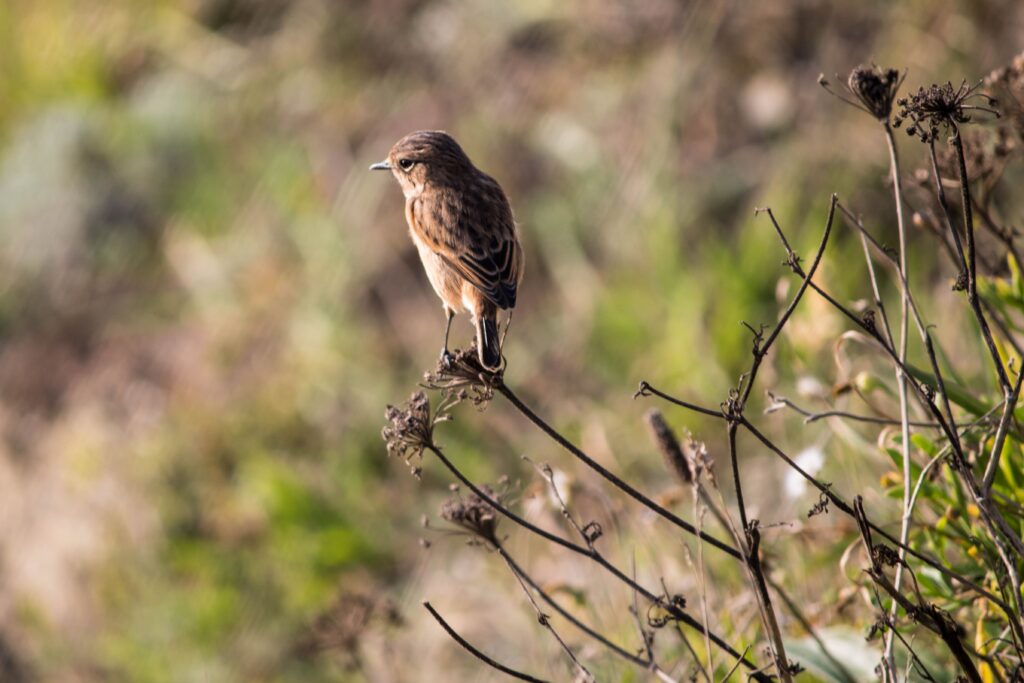
Few wildlife destinations on earth rival the diversity and drama of Kruger Park safaris. The Kruger National Park is home to hundreds of bird species and an astonishing concentration of African wildlife legends. The numbers alone are impressive, from powerful lion prides and vast elephant herds to elusive leopards and endangered rhino, yet it’s the experience of encountering them in the wild that truly defines the magic.
But timing matters. The rhythms of rainfall, migration, breeding cycles and water availability shape what you’re most likely to see. Understanding the seasonal differences can transform your trip, whether you’re planning a dedicated bird watching safari to spot the vibrant birds of Kruger National Park, or dreaming of classic Big Five safari moments during spectacular game drives in Kruger National Park.
In this guide, we compare birding and big game seasons so you can plan the ideal safari experience, and discover why staying at Kruger Gate Hotel places you perfectly at the heart of it all.
Kruger Park Safaris: Birding vs big game
Birding season: A summer spectacle (October – March)
Summer in the Kruger (the rainy season) transforms the landscape into a lush, green paradise. Seasonal pans fill with water, trees burst into leaf, and migratory birds arrive from Europe and other parts of Africa.
This is prime time for:
- Migratory species like European bee-eaters and woodland kingfishers
- Colourful residents such as the lilac-breasted roller
- Raptors and waterbirds thriving near seasonal wetlands
- Breeding plumage displays and nesting activity
A bird watching safari during these months offers vibrant scenery and exceptional photographic opportunities. While thicker vegetation can make spotting big cats slightly more challenging, the richness of birdlife more than compensates for avid birders.
Why choose summer for Kruger National Park Safaris?
- Peak bird diversity (close to 500 species recorded)
- Striking thunderstorms and golden afternoon light
- More opportunities to explore compared to peak winter months
Want to learn more about Kruger birding? You may be interested in our What’s the best time for birdwatching in Kruger guide.
Big game season: The dry winter advantage (May – September)
Winter is widely regarded as the best time for traditional Big Five safari experiences. As water sources dry up, animals congregate around permanent rivers and waterholes, making sightings more predictable and frequent.
During this period:
- Vegetation thins, improving visibility
- Cooler mornings and evenings enhance wildlife activity
- Predator sightings increase near concentrated prey
Winter provides optimal conditions to spot lion, leopard, elephant, rhino and buffalo in open terrain for guests prioritising game drives in Kruger National Park.
Why choose winter for Kruger Park safaris?
- Excellent Big Five visibility
- Comfortable daytime temperatures
- Clear skies and crisp photography conditions
Birding vs big game: Which safari is right for you?
The choice between birding and big game isn’t about better or worse, but what excites you most.
|
Birding Safari |
Big Game Safari |
|
Best: October – March |
Best: May – September |
|
Lush green scenery |
Open landscapes |
|
Migratory species present |
Peak predator sightings |
|
Ideal for photographers of colour & behaviour |
Ideal for classic safari encounters |
Kruger Park safaris are always rewarding. The park’s biodiversity ensures that every visit offers something extraordinary.
Stay at the heart of the action
Location enhances every safari. Kruger Gate Hotel sits on the banks of the Sabie River at the Paul Kruger Gate entrance, one of the most wildlife-rich regions of the park. From here, guests enjoy:
- Expert-guided safaris tailored to birding or Big Five tracking (Visit the SANParks activities page for more)
- Elevated viewing decks overlooking the river
- Easy access to memorable Kruger National Park safaris
Your adventure begins just moments from your hotel, whether you’re chasing migratory birds or hoping for a leopard sighting at dawn.
Can you experience both birding and big game?
The good news? You don’t have to choose. While seasonal conditions favour certain sightings, Kruger Park safaris offer rewarding birding and Big Five encounters throughout the year. The key lies in timing your daily activities and selecting the right safari experiences. Here’s how to enjoy both:
Travel in the shoulder months
April and October bridge the gap between peak birding and peak big game seasons. You’ll still enjoy good wildlife visibility, while early or late migratory bird species may be present.
Plan morning & afternoon game drives
Predators are most active during cooler hours, while many bird species are easier to spot in early light when they’re feeding. Structured game drives in Kruger National Park allow you to maximise both opportunities.
Focus on riverine areas
The Sabie River region is renowned for biodiversity. Water attracts mammals year-round and supports prolific birdlife, from fish eagles to kingfishers and storks. Staying at Kruger Gate Hotel positions you ideally for these mixed sightings.
Book specialist guided safaris
Knowledgeable guides enhance both experiences; identifying distant raptors, tracking fresh predator prints, or interpreting animal behaviour. A well-guided safari turns a good sighting into a special one.
In short, Kruger National Park Safaris are rarely one-dimensional. Even on a dedicated Big Five safari, you’ll encounter remarkable birds. And during a bird watching safari, it’s not unusual for a leopard or elephant herd to steal the spotlight.
Frequently asked questions about Kruger Park safaris
When is the absolute best time for kruger park safaris?
There is no single “best” time, it depends on your priorities.
- For a big five safari, May to September (dry winter) offers peak visibility.
- For a bird watching safari and to see migratory birds of Kruger National Park, October to March (summer) is ideal.
Are Big Five sightings guaranteed?
Wildlife sightings can never be guaranteed, this is a truly wild ecosystem. However, the density of animals in Kruger National Park is among the highest in Africa, and winter increases your chances drastically.
How many bird species are found in Kruger?
Approximately 500 species have been recorded, making it one of Africa’s premier birding destinations. This includes both resident and migratory species.
What should I pack for seasonal Kruger National Park safaris?
- Summer (Oct–Mar): Lightweight clothing, rain jacket, sunscreen, insect repellent.
- Winter (May–Sept): Warm layers for early mornings and evenings, neutral-coloured clothing for safaris.
How long should I stay to experience both birding and big game?
A minimum of three to four nights allows you to enjoy multiple game drives in Kruger National Park and increases your chances of diverse sightings. Longer stays provide a more relaxed and comprehensive safari experience.
Plan your perfect safari season
Kruger Park Safaris promise unforgettable encounters in every season, whether your dream safari centres on vibrant birdlife, iconic predators, or a balance of both, especially when based at Kruger Gate Hotel, where the wild begins just beyond your location.
The beauty of Kruger Park Safaris lies in their diversity. Summer delivers a spectacular birding showcase; winter brings iconic Big Five encounters into sharper focus. Whichever season you choose, the wild heart of Africa awaits, and our hotel offers the perfect base to experience it all. Don’t delay booking your stay at Kruger Gate Hotel today.