


The scent of marula trees mingles with morning mist as your vehicle approaches the watering hole. A distant lion’s roar rolls across the savannah, and for a moment, everything else falls away. This is bush Africa in its simplest form: untamed, unhurried, and indifferent to the human gaze.
The legendary Big 5 in South Africa—lion, leopard, elephant, rhino, and buffalo—remain the defining encounters of any serious safari. The term was originally coined by big-game hunters, who considered these five animals the most dangerous to hunt on foot. Today, they draw millions of wildlife enthusiasts for very different reasons, each sighting a reminder of just how wild the world can still be.
South Africa has no shortage of private reserves and conservation areas, but one destination sets the standard against which all others are measured: Kruger National Park. Here’s why it continues to earn that reputation.
The Big 5 in South Africa: Why Kruger Park reigns supreme
The scale that changes everything
Unmatched ecosystem diversity
Kruger National Park is enormous, roughly the size of Israel. This isn’t a controlled environment or glorified zoo. It’s a self-sustaining ecosystem where wildlife behaves naturally across vast territories.
The park’s immense scale supports:
- Countless lions in healthy, genetically diverse prides
- The world’s largest population of white rhinos
- Impressive elephants numbers roaming freely
- Dense leopard populations, particularly in riverine areas
- Massive buffalo herds numbering in the thousands
Genetic health and wild behaviour
Larger populations mean healthier gene pools and authentic wildlife behaviour. Unlike smaller, fenced reserves where animals exhibit modified patterns, Kruger’s Big 5 display true wild instincts: territorial disputes, natural hunting patterns, and seasonal migrations.
The probability factor that matters
Leopard capital of Africa
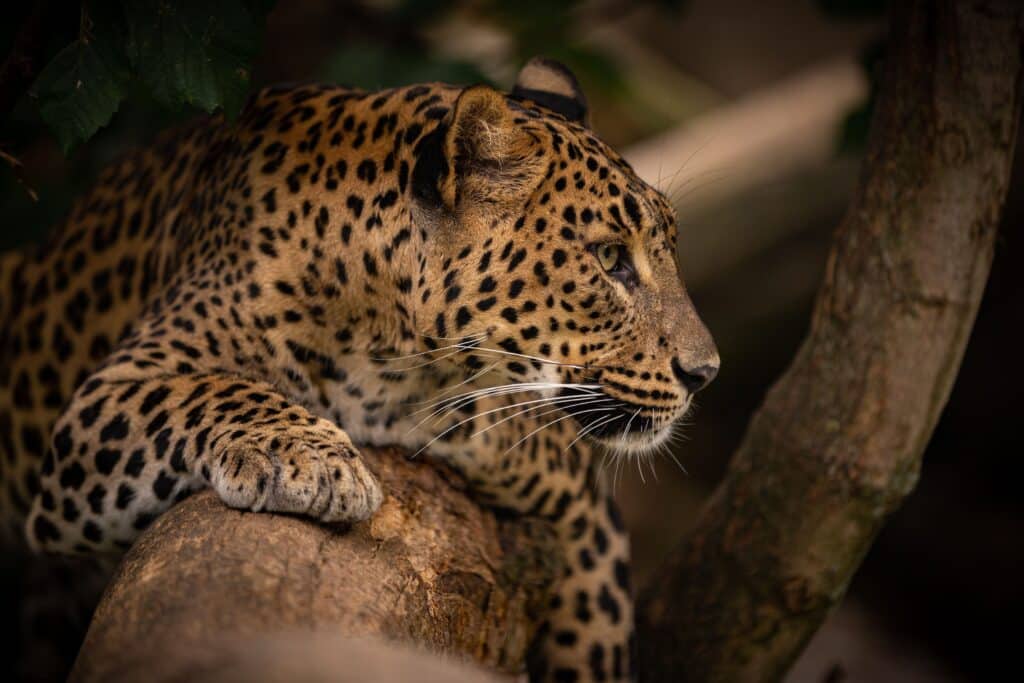
The Lower Sabie and Sabi Sand regions, precisely where Kruger Gate Hotel provides access, boast the world’s highest leopard density. These elusive cats, frequently the most challenging of the Big 5 to spot, become regular sightings along the Sabie River. Find out more about The Leopard, the Big 5 star of Kruger’s Sabi region in our insightful guide.
Landscape diversity advantage
Kruger’s varied terrain creates perfect habitats for all Big 5 species:
- Riverine forests shelter leopards and elephants
- Open savannah supports lion prides and buffalo herds
- Rocky outcrops provide rhino refuge and territory
- Woodland areas offer diverse browsing for all species
This landscape mosaic drastically increases your chances of encountering all Big 5 animals in South Africa during a single visit.
Freedom versus fabricated experiences
Self-drive safari magic
Kruger’s extensive road network offers something unique among big 5 game reserves in South Africa: the freedom to explore at your own pace. Experience the thrill of spotting a massive elephant bull around the bend or discovering a lion lounging under a tree through your own observation skills.
Guided safari expertise
Professional safari guides at Kruger Gate Hotel know the territories of resident Big 5 individuals. They understand seasonal movements, preferred watering spots, and behavioural patterns developed over years of observation.
These intimate guided game drives combine local expertise with the spontaneity that makes every Kruger safari unique.
Remember to book your safari in advance to avoid disappointment
Accessibility without compromise
Gateway advantage
Kruger offers world-class accessibility, unlike remote private reserves requiring charter flights or lengthy drives on rough roads. The Paul Kruger Gate sits remarkably close to the Kruger Gate Hotel, while Skukuza Airport provides direct access for international visitors.
Luxury meets wilderness
You don’t need to sacrifice comfort for authenticity. Guests routinely observe elephants crossing the Sabie River before even entering the park gates from the pool bar at Kruger Gate Hotel. This unique location offers:
- Uninterrupted views into the bush
- Memorable sightings of animals gathering at waterhole areas
- Sun-drenched viewing decks sheltered by ancient African trees
- The opportunity to enjoy tranquil relaxation while taking a dip in the infinity pool
A century of conservation excellence
Global conservation leadership
Kruger National Park represents over 100 years of dedicated wildlife protection. This isn’t just tourism, it’s active conservation supporting:
- Rhino anti-poaching operations
- Elephant population management
- Predator-prey balance maintenance
- Habitat restoration projects
The park’s conservation success directly impacts Big 5 safari experiences, ensuring healthy populations for future generations.
Kruger’s Big 5 population statistics
Current Big 5 population estimates (SANParks 2023 census):
- Lions: 1,678 individuals across 400+ prides
- Elephants: 17,086 individuals in family groups
- Leopards: 1,000+ territorial adults (Lower Sabie density: 12-15 per 100km²)
- White Rhinos: 3,549 individuals (68% of South Africa’s population)
- Black Rhinos: 468 individuals (recovering population)
- Buffalo: 37,130 individuals in multiple herds
Key Kruger Statistics:
- Size: 19,485 km² (7,523 square miles)
- Established: 1926 (98 years of protection)
- Biodiversity: 147 mammal species, 507 bird species
- Annual visitors: 2+ million (pre-2020 statistics)
- Success rate for Big 5 sightings: 95% over 3-day periods
These numbers represent the largest free-ranging Big 5 populations in Africa, supported by extensive anti-poaching efforts and veterinary care programmes that maintain population health without compromising wild behaviour.
Big 5 in South Africa: FAQ
How likely am I to see all Big 5 animals in South Africa at Kruger?
Kruger offers a 95% success rate for complete Big 5 sightings over a 3-day visit, with leopards being the most challenging to spot but still regularly seen in the Lower Sabie region.
What makes Kruger’s Big 5 safari different from private reserves?
Kruger’s 2-million-hectare ecosystem supports larger, healthier populations exhibiting natural wild behaviour, unlike smaller reserves where animals may show modified patterns due to space constraints.
When is the best time for Big 5 sightings in Kruger National Park?
There are optimal Big 5 viewing opportunities throughout the year; animals concentrate around permanent water sources. Each season provides unique advantages for different species.
Can I do self-drive Big 5 safaris in Kruger?
Yes, Kruger’s extensive tarred and gravel road network allows self-drive access to prime Big 5 territories, offering the freedom to explore at your own pace alongside guided options.
Where should I stay for the best Big 5 access in Kruger?
The Paul Kruger Gate area, particularly near the Sabie River, provides exceptional Big 5 access with the highest leopard density and regular elephant, lion, buffalo, and rhino sightings.
How does Kruger compare to other Big 5 game reserves in South Africa?
Kruger’s massive scale, diverse ecosystems, and century-long conservation success create unmatched Big 5 population density and authentic wildlife experiences unavailable in smaller reserves.
What Big 5 safari packages are available from Kruger Gate Hotel?
Kruger Gate Hotel offers intimate guided game drives and interactive group safaris led by professional guides, plus packed breakfast options for early morning Big 5 tracking adventures.
Your Big 5 adventure awaits
Kruger National Park’s dominance in Big 5 safari experiences stems from its unmatched scale, authentic wild encounters, and accessibility without compromise. The combination of healthy wildlife populations, diverse ecosystems, and expert local knowledge creates Africa’s premier Big 5 destination.
At Kruger Gate Hotel, your Big 5 safari begins the moment you arrive. Every element enhances your bucket-list African game-viewing experience, from the pool bar’s panoramic views to professional guided drives through leopard territory.
Ready to witness the legendary Big 5 in their most spectacular setting? Book your safari at Kruger Gate Hotel and step into Africa’s greatest wildlife theatre through the iconic Paul Kruger Gate.