


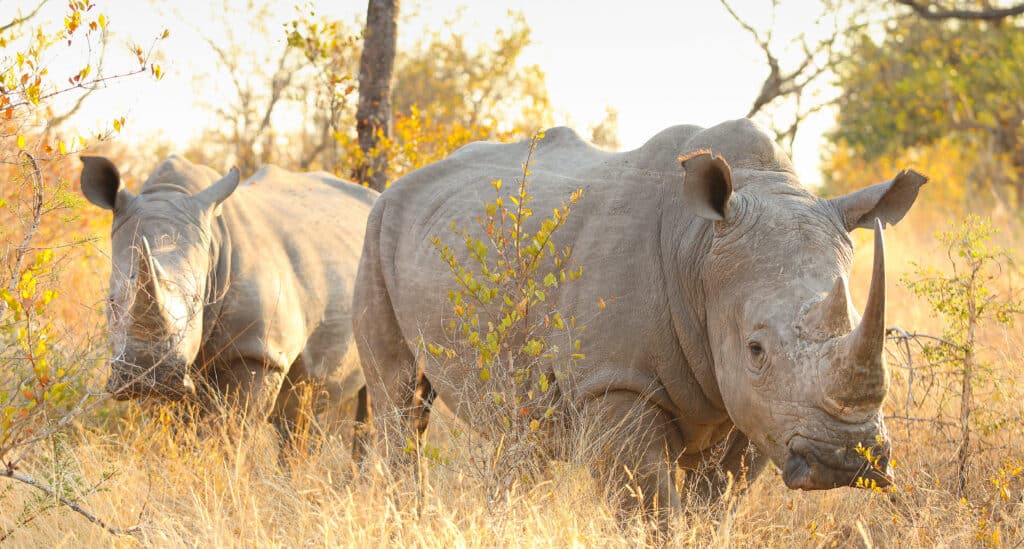
Kruger National Park is one of South Africa’s most critical sanctuaries for endangered and vulnerable wildlife. Species including the African wild dog, white and black rhino, cheetah, and pangolin are actively protected within its borders through conservation programmes, anti-poaching units, and habitat management. The park’s scale — nearly two million hectares — makes it a cornerstone of biodiversity preservation on the continent.
Why Kruger National Park matters for conservation
Kruger National Park spans approximately 19,485 km² across Limpopo and Mpumalanga provinces, making it one of the largest game reserves in Africa. That sheer scale is not incidental — it is precisely what allows viable populations of wide-ranging, endangered species to persist.
South Africa is recognised as one of the world’s 17 megadiverse countries. Yet this biodiversity is under pressure. Habitat loss, illegal wildlife trade, and climate variability are pushing dozens of species toward critical thresholds. Kruger functions as both a refuge and a research platform, informing conservation policy far beyond its own fences.
For guests staying at Kruger Gate Hotel — positioned at the Paul Kruger Gate, the park’s most iconic entrance — this context transforms a safari visit into something far more meaningful than sightseeing.
Key endangered and vulnerable species in Kruger
African Wild Dog (Lycaon pictus)
The African wild dog is classified as Endangered on the IUCN Red List, with fewer than 6,600 individuals estimated to remain in the wild globally. Kruger holds one of the largest single populations in the world — estimated at around 350–400 individuals.
These animals require vast territories, making Kruger’s unfenced northern boundary with Zimbabwe and Mozambique particularly valuable. Anti-poaching patrols and snare-removal programmes have been critical to their survival here.
Rhinoceros: Two Species Under Threat
Kruger is central to South Africa’s rhino conservation story — and it is a complicated one.
Species | IUCN Status | Estimated Population in Kruger | Primary Threat |
White Rhino (Ceratotherium simum) | Near Threatened | ~2,607 | Poaching for horn |
Black Rhino (Diceros bicornis) | Critically Endangered | ~268 | Poaching, habitat loss |
South Africa lost 499 rhinos to poaching in 2023 alone. SANParks responds with aerial surveillance, K9 anti-poaching units, and strategic dehorning in select zones. Kruger Gate Hotel actively supports conservation messaging and partners with responsible operators aligned with these efforts.
Cheetah (Acinonyx jubatus)
The cheetah is listed as Vulnerable by the IUCN, with an estimated 6,517 mature individuals remaining across Africa and Asia. In South Africa, the species faces pressure from human-wildlife conflict and prey base reduction.
Kruger’s open savanna and thornveld habitats are well-suited to cheetah, though sightings — like all wildlife encounters — are never guaranteed. The park’s management works to maintain prey species populations, which indirectly stabilises cheetah numbers.
Pangolin (Manis temminckii)
The ground pangolin is Africa’s most trafficked mammal and is listed as Vulnerable, trending toward Endangered. Kruger is one of the few places in South Africa where wild pangolin populations persist, protected by dedicated monitoring and rapid-response anti-trafficking units.
Their nocturnal, secretive nature means encounters are exceptionally rare. Their presence in the park is nonetheless a strong indicator of ecosystem health.
African Elephant: A conservation success with complexity
Kruger’s elephant population — estimated at over 17,000 individuals — represents a conservation success story, yet also a management challenge. The African savanna elephant (Loxodonta africana) is classified as Endangered continent-wide, largely due to poaching and habitat fragmentation outside South Africa.
Within Kruger, the challenge has inverted: managing a growing population sustainably without degrading the habitat that other species depend upon. This balance is an ongoing subject of ecological research.
How Kruger National Park actively protects these species
Conservation in Kruger is not passive. SANParks implements a layered strategy that includes:
Step-by-step: How SANParks protects endangered wildlife
- Surveillance and monitoring — Aerial drones, camera traps, and ranger patrols track population movements and detect poaching activity in real time.
- Anti-poaching operations — Specialised ranger units, K9 teams, and collaboration with the South African Police Service intercept illegal activity across the park’s 480 km eastern boundary.
- Community engagement — Buffer zone communities are involved through employment, education programmes, and benefit-sharing to reduce incentives for illegal activity.
- Veterinary intervention — Injured or snared animals receive treatment from SANParks vets. Rhino dehorning in strategic areas reduces poaching incentive without harming the animals.
- Scientific research — Long-term ecological studies inform adaptive management. Data on prey-predator ratios, water availability, and vegetation health guides decisions on species relocation and habitat intervention.
- Cross-border collaboration — The Great Limpopo Transfrontier Park links Kruger with Gonarezhou (Zimbabwe) and Limpopo National Park (Mozambique), enabling wildlife corridors that are essential for genetically diverse, wide-ranging species.
This integrated approach has made Kruger a benchmark for protected area management across the continent.
The role of responsible tourism in conservation funding
Tourism revenue is not separate from conservation — it is foundational to it. SANParks generates a significant portion of its operating budget through park fees and accommodation. When visitors choose responsible, conservation-aligned operators, they directly fund the work described above.
Kruger Gate Hotel occupies a uniquely privileged position: situated at the Paul Kruger Gate, guests have immediate access to the park’s interior for self-drive game viewing at sunrise — the optimal time for wildlife activity. The hotel’s proximity removes the logistical barriers that can push travellers toward less sustainable options.
Explore our game drives and wildlife experiences to understand how your visit connects to the park’s broader conservation mission. For guests who prefer to rest and reflect after a day in the park, the African Spa offers a grounded, restorative experience inspired by African botanical traditions.
Visiting Kruger responsibly: What to know
Kruger National Park is a year-round destination. Each season offers distinct conditions:
- Dry season (May–October): Sparse vegetation makes wildlife easier to spot near water sources. Popular for self-drive visitors.
- Green season (November–April): Lush landscapes, migratory birds, and newborn animals. Fewer visitors, lower rates.
Neither season is superior — both offer authentic, meaningful encounters with the park’s ecosystems. Kruger Gate Hotel’s position at the main gate makes it equally rewarding across all months.
Responsible visitors follow the park’s code of conduct: remain in vehicles on designated roads, maintain safe distances from wildlife, and never feed animals. These rules protect both guests and the species the park works so hard to preserve.
Staying at the gateway to conservation
Our Deluxe Rooms & Suites are designed to reflect the textures and tones of the African bushveld, offering modern comfort without disconnecting guests from the environment beyond their window. For those combining conservation travel with business objectives, our corporate and private functions facilities offer a rare setting for meaningful retreats.
If you are ready to experience one of the world’s most significant conservation landscapes firsthand, contact Kruger Gate Hotel to plan your stay at the threshold of the wild.
FAQ
Q1: What is the most endangered animal in Kruger National Park?
The black rhino (Diceros bicornis) is among the most critically endangered species in Kruger, classified as Critically Endangered by the IUCN. The park holds approximately 268 individuals and implements intensive anti-poaching measures to protect them.
Q2: Are animal sightings guaranteed at Kruger National Park?
No. Wildlife sightings in Kruger National Park are never guaranteed. Animals move freely across nearly two million hectares of natural habitat. Sightings depend on season, time of day, weather, and location within the park.
Q3: Does Kruger National Park have African wild dogs?
Yes. Kruger holds one of the world’s largest single populations of African wild dogs, estimated at 350–400 individuals. They are classified as Endangered by the IUCN.
Q4: Is Kruger National Park open year-round?
Yes. Kruger National Park operates year-round. Each season offers a distinct experience, from dry-season wildlife concentration near water to the lush green season with migratory birds and young animals.
Q5: How does staying at Kruger Gate Hotel support conservation?
Tourism revenue directly funds SANParks conservation operations. Kruger Gate Hotel’s location at the Paul Kruger Gate also reduces unnecessary vehicle travel inside the park, lowering the environmental footprint of each stay.