


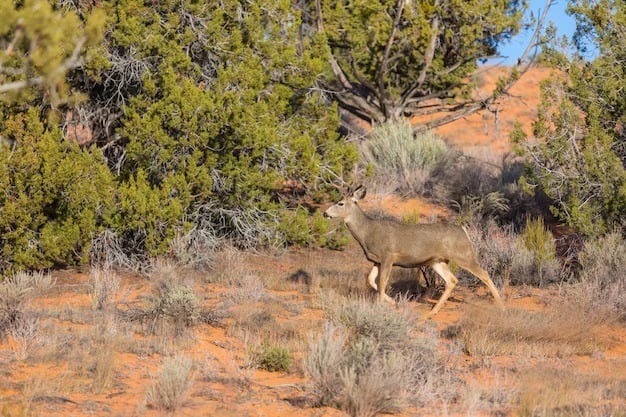
The Great Limpopo Transfrontier Park is one of Africa’s largest conservation areas, spanning approximately 35,000 km² across South Africa, Mozambique, and Zimbabwe. It connects Kruger National Park, Limpopo National Park, and Gonarezhou National Park into a single unfenced wilderness. Travellers seeking an authentic, cross-border safari experience will find unmatched biodiversity, dramatic landscapes, and genuine Big 5 territory — all accessible from South Africa’s Limpopo region.
What Is the Great Limpopo Transfrontier Park?
The Great Limpopo Transfrontier Park (GLTP) is a peace park — a cross-border conservation zone created through a formal treaty between South Africa, Mozambique, and Zimbabwe, signed in 2002.
It is one of the largest transfrontier conservation areas in the world, uniting three major national parks:
- Kruger National Park (South Africa) — the anchor and most accessible entry point
- Limpopo National Park (Mozambique) — formerly Coutada 16
- Gonarezhou National Park (Zimbabwe) — meaning “place of many elephants”
Together, these parks form a contiguous wilderness where wildlife moves freely across international borders, following ancient migration routes undisturbed by fences.
Why the GLTP matters for conservation
The removal of border fences between the three parks has had a profound ecological impact. Animal populations — particularly elephant, lion, leopard, buffalo, and wild dog — now access far larger ranges than any single park could provide.
The Peace Parks Foundation estimates that the GLTP protects over 500 bird species and supports one of Africa’s most significant elephant populations, numbering in the tens of thousands (Source: Peace Parks Foundation, 2023).
Beyond wildlife, the park supports local communities through eco-tourism revenue, creating a direct link between conservation and economic development across the Limpopo region.
Kruger National Park: Your gateway into the GLTP
For most international and domestic travellers, Kruger National Park is the practical and logistical entry point into the broader Great Limpopo Transfrontier Park ecosystem.
Kruger alone covers nearly 20,000 km² (Source: SANParks, 2024), making it larger than some countries. Its southern and central sections are the most visited, offering well-maintained roads, rest camps, and infrastructure that supports a comfortable safari experience.
The northern regions of Kruger — closer to the Mozambique border — are wilder, less trafficked, and connect most directly to the transfrontier zone. This is where the true spirit of the GLTP is most palpable.
Staying at Kruger Gate Hotel: Your sanctuary in the wild
Kruger Gate Hotel is positioned at the Paul Kruger Gate — the most iconic entrance to Kruger National Park — placing guests at the literal threshold of this extraordinary ecosystem.
This is not a treetop lodge or a remote bush camp. Kruger Gate Hotel is a luxury hotel offering the full comfort of modern amenities alongside direct access to one of the world’s greatest wildlife destinations. It serves as an ideal base for exploring the southern Kruger section and, by extension, the wider Great Limpopo Transfrontier Park.
Guests can choose from beautifully appointed Deluxe Rooms & Suites designed to reflect African heritage while delivering contemporary elegance — private retreats after a full day in the bush.
Wildlife of the Great Limpopo Transfrontier Park
The GLTP is home to an extraordinary diversity of species. While animal sightings are never guaranteed — this is wild Africa, after all — the sheer scale of the ecosystem significantly increases the chances of meaningful wildlife encounters.
The Big 5 and Beyond
Species | Status in GLTP | Notable Range |
African Elephant | Abundant | All three parks |
Lion | Resident populations | Kruger & Gonarezhou |
Leopard | Widespread | Kruger & Limpopo NP |
Cape Buffalo | Large herds | Kruger & surrounds |
White & Black Rhino | Protected, monitored | Primarily Kruger |
African Wild Dog | Endangered, present | Kruger & Gonarezhou |
Cheetah | Vulnerable, sighted | Open plains of Kruger |
Beyond the Big 5, the park supports hippo, crocodile, zebra, giraffe, hyena, and over 500 bird species — making it a destination of global significance for wildlife enthusiasts and birders alike.
Exploring the GLTP: A practical step-by-step guide
Planning a visit to the Great Limpopo Transfrontier Park requires some preparation. Here is a straightforward guide to structuring your experience from Kruger Gate Hotel.
Step 1: Arrange your accommodation first
Book your stay at Kruger Gate Hotel well in advance, particularly for peak holiday periods. Your room or suite serves as your operational base. Browse Deluxe Rooms & Suites to select the right option for your group size and preferences.
Step 2: Plan your park entry
Kruger National Park requires a conservation fee payable at the gate. South African citizens and SADC residents receive discounted rates. Ensure your vehicle is roadworthy and carry sufficient water and snacks — distances inside the park are substantial.
Step 3: Self-drive the park
The GLTP — particularly Kruger — is one of Africa’s premier self-drive safari destinations. Guests explore at their own pace, on well-signposted tar and gravel roads. Early mornings and late afternoons are traditionally the most active times for wildlife movement.
Step 4: Combine with dining and relaxation
Return to Kruger Gate Hotel for lunch or dinner at Kudyela Restaurant and Lapa Restaurant — where African-inspired cuisine meets riverside ambience. The River Boma in particular offers an atmospheric outdoor dining experience under the African sky.
Step 5: Restore at the Spa
After days in the bush, the African Spa offers a curated menu of treatments drawing on African botanicals and wellness traditions. It is the ideal complement to an active safari schedule.
Kruger as a year-round destination
One of the GLTP’s most compelling qualities is its year-round appeal. Unlike some African destinations that are heavily seasonal, the Limpopo region offers rewarding experiences across all twelve months.
- Dry season (May–October): Vegetation thins, water sources concentrate wildlife, and visibility improves significantly.
- Green season (November–April): Lush landscapes, dramatic skies, active birdlife, and newborn animals. The park feels alive in a different, equally compelling way.
There is no single “best” time to visit — each season reveals a different face of this remarkable ecosystem.
Corporate and group travel to the GLTP region
The Great Limpopo Transfrontier Park is not only a destination for leisure travellers. Corporate groups increasingly recognise the value of combining professional retreats with genuine African wilderness experiences — often called “bleisure” travel.
Kruger Gate Hotel offers dedicated Corporate and private functions facilities, including conference rooms, event spaces, and tailored group packages. A safari backdrop adds an unmatched dimension to team-building, strategy sessions, and executive retreats.
Dining with a view of the wild
Food at Kruger Gate Hotel is an experience in itself. The Kudyela Restaurant and Lapa Restaurant serves contemporary cuisine with African influences, using locally sourced ingredients where possible.
The River Boma — an outdoor dining space beside the Sabie River — offers guests the rare opportunity to dine within earshot of the bush. Hippos are occasionally heard at dusk. The atmosphere is unlike any city restaurant.
The GLTP’s role in African conservation
The Great Limpopo Transfrontier Park represents one of the most ambitious conservation collaborations in African history. By dissolving political borders for ecological purposes, it demonstrates that wildlife protection can transcend national interest.
The Peace Parks Foundation, which helped broker the original treaty, continues to fund anti-poaching operations, community development programmes, and ecological research across the GLTP.
Staying at a property like Kruger Gate Hotel — positioned directly at the park entrance — means that your tourism spend contributes directly to the regional economy that underpins this conservation model.
Plan your Great Limpopo Transfrontier Park experience
Whether you are a first-time safari traveller, a returning wildlife enthusiast, or a corporate group seeking an extraordinary backdrop, the Great Limpopo Transfrontier Park offers an experience that is genuinely difficult to replicate anywhere else on earth.
Kruger Gate Hotel stands ready to welcome you — with luxury accommodation, exceptional dining, spa facilities, and a location that places the entire GLTP ecosystem at your doorstep.
Contact Kruger Gate Hotel to begin planning your African adventure. Our team, led by hospitality expert and CEO Anton Gillis, brings decades of combined experience in luxury safari hospitality to ensure every detail of your stay exceeds expectations.
FAQ
What countries make up the Great Limpopo Transfrontier Park?
The Great Limpopo Transfrontier Park spans South Africa, Mozambique, and Zimbabwe. It connects Kruger National Park, Limpopo National Park, and Gonarezhou National Park into one unfenced conservation area.
Is Kruger National Park part of the Great Limpopo Transfrontier Park?
Yes. Kruger National Park is the largest and most accessible component of the GLTP, forming its western anchor. It is the primary entry point for most international and domestic visitors.
Are Big 5 sightings guaranteed in the GLTP?
No. Wildlife sightings are never guaranteed in any wild environment. The scale and biodiversity of the GLTP do, however, provide excellent conditions for meaningful wildlife encounters across multiple species.
Is the Great Limpopo Transfrontier Park worth visiting year-round?
Absolutely. The GLTP offers rewarding experiences in every season. The dry season concentrates wildlife around water sources, while the green season brings lush scenery, birdlife, and newborn animals.
Where is the best place to stay for access to the Great Limpopo Transfrontier Park?
Kruger Gate Hotel, located at the Paul Kruger Gate entrance to Kruger National Park, offers luxury accommodation directly at the threshold of the GLTP ecosystem — combining comfort with unrivalled access to the park.