


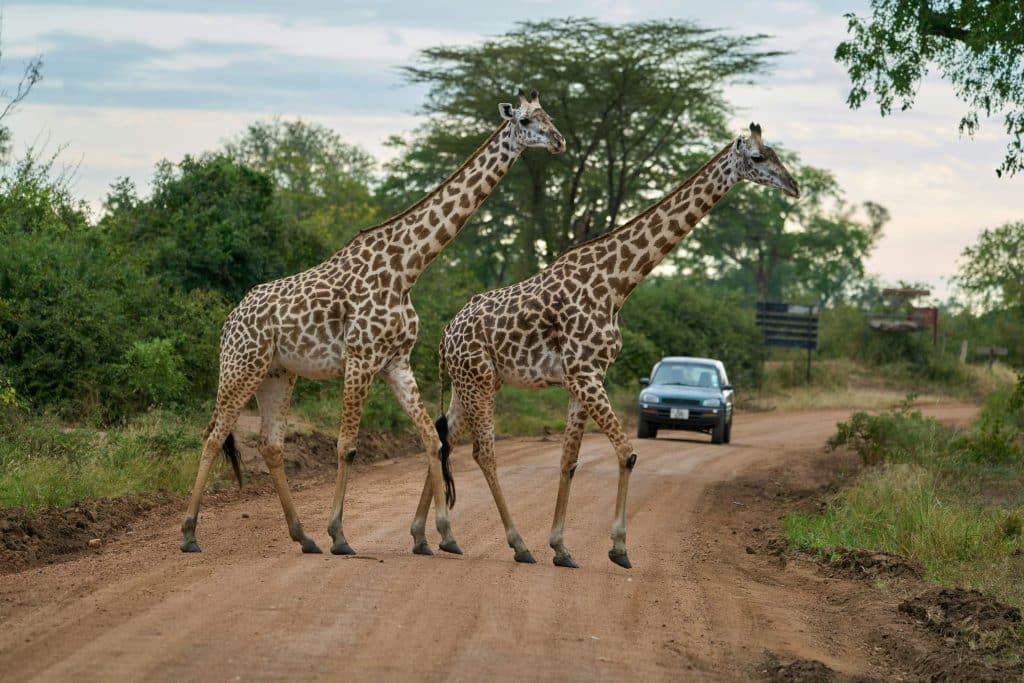
Kruger National Park has 10 public entrance gates, each serving different regions and wildlife zones. The best gate depends on your accommodation location, travel route, and the landscapes you want to explore. For guests staying near the Paul Kruger Gate — the park’s most iconic and central entrance — the southern and central zones offer exceptional year-round wildlife diversity without the need for long drives.
Why the gate you choose matters more than you think
Kruger National Park spans roughly 19,485 km² — larger than Wales. Entering through the wrong gate can add hours to your journey and place you in terrain that doesn’t match your expectations.
For the safest route to our hotel, we recommend using the Paul Kruger, Malelane, or Phabeni Gates. Local travel advisories suggest avoiding the Numbi Gate. https://krugergatehotel.com/contact-us/
Each gate unlocks a distinct ecological zone. The southern region is densely vegetated and known for predator activity. The central region offers open savanna and high game density. The far north is remote, arid, and best suited to experienced travellers who prefer solitude over sightings frequency.
Choosing deliberately — based on your base camp, travel direction, and priorities — is what separates a well-planned safari from a frustrating one.
The 10 public gates at a glance
|
Gate |
Region |
Nearest Town |
Tarred Road Access |
Relative Remoteness |
|
Paul Kruger Gate |
Central-South |
Skukuza / Hazyview |
Yes |
Low |
|
Phabeni Gate |
South |
Hazyview |
Yes |
Low |
|
Malelane Gate |
South |
Malelane |
Yes |
Low |
|
Crocodile Bridge Gate |
South |
Komatipoort |
Yes |
Low |
|
Orpen Gate |
Central |
Hoedspruit |
Yes |
Moderate |
|
Phalaborwa Gate |
Central-North |
Phalaborwa |
Yes |
Moderate |
|
Punda Maria Gate |
North |
Thohoyandou |
Partially |
High |
|
Pafuri Gate |
Far North |
Pafuri |
Partially |
Very High |
|
Giriyondo Gate |
Central-East |
Hoedspruit |
No (4×4 advised) |
High |
All gates are tarred-road accessible except Giriyondo and sections leading to Pafuri, where a high-clearance vehicle is advisable.
Southern Gates: High Density, Easy Access
The southern cluster — Malelane, Crocodile Bridge and Phabeni — feeds into the richest predator territory in the park. The Sabie and Crocodile rivers act as wildlife magnets, drawing lion, leopard, elephant, buffalo, and rhino.
Malelane Gate is the closest entry point from Johannesburg via the N4 highway, making it popular with weekend travellers. Crocodile Bridge Gate sits near Komatipoort and is ideal for guests arriving from Mozambique or the Lowveld corridor.
Phabeni serve the Hazyview corridor — the same route used by guests staying at Kruger Gate Hotel. Phabeni opened in 2006 to ease congestion at Paul Kruger Gate and offers a slightly faster entry for those heading directly to Skukuza.
Paul Kruger Gate: The benchmark entrance
Paul Kruger Gate is the most visited and most historically significant entrance in the park. It sits on the H1-2 tarred road, directly connected to Skukuza — the park’s largest rest camp and administrative hub.
For guests at Kruger Gate Hotel, this gate is the primary point of entry. The hotel’s location in Hazyview places it within minutes of the gate, making it the natural choice for self-drive game drives. The route from Paul Kruger Gate into the park’s interior passes through prime big-cat territory along the Sabie River.
If you’re planning game drives and wildlife experiences from a southern base, Paul Kruger Gate is operationally the most convenient and ecologically rewarding entry point.
Central Gates: Open savanna and versatility
Orpen Gate, near Hoedspruit, is the gateway to the central plains — a mosaic of mixed bushveld, seasonal pans, and open grassland. This region is particularly productive for cheetah, wild dog, and large elephant herds.
Phalaborwa Gate links the mining town of Phalaborwa with the central-north zone. It’s a popular entry for travellers flying into Hoedspruit or Phalaborwa Airport, and it connects to the Letaba area, known for its elephant population and the famous Elephant Hall at Letaba Camp.
The central region suits travellers who want variety — moving between dense riverine bush and open terrain within a single day’s drive.
Northern Gates: Remote, specialist territory
Punda Maria Gate and Pafuri Gate serve the far north — a region that feels entirely different from the rest of Kruger. Mopane woodland dominates, baobab trees punctuate the skyline, and the Limpopo River forms the boundary with Zimbabwe and Mozambique.
This zone is exceptional for birding and for travellers seeking a quieter, more contemplative experience. However, the distances involved are significant. Pafuri sits nearly 600 km from Johannesburg, and road conditions can be variable.
The northern gates are best suited to guests with multiple days to dedicate to the far north specifically — not as a casual add-on to a southern itinerary.
How to choose the right gate: A Step-by-step approach
Follow this process before booking or planning your route:
- Confirm your accommodation location first. Your lodge or hotel determines which gate is geographically logical. Guests at Kruger Gate Hotel in Hazyview use Paul Kruger Gate or Phabeni Gate.
- Check your vehicle. Most gates are accessible in a standard sedan. Giriyondo and some northern tracks require a high-clearance or 4×4 vehicle.
- Plan your arrival time. Gates open at sunrise and close at sunset. Specific times vary by month. Arriving late means waiting outside — plan a buffer.
- Book your SANParks permit in advance. Day visitor permits and conservation fees must be paid. Online booking via the SANParks website reduces queue time significantly.
- Map your intended route inside the park. Know which camps or picnic sites you plan to visit. This ensures your entry gate aligns with your internal itinerary.
- Identify your wildlife priorities. If predator sightings are a priority, the southern zone via Paul Kruger, Numbi, or Malelane is your strongest option. For elephants, Phalaborwa and Letaba. For birding, the north.
- Account for exit logistics. You don’t have to exit through the same gate you entered. Plan a circular or linear route that makes geographic sense.
Kruger is a year-round destination
A common misconception is that Kruger has a “best season.” In reality, each season offers a distinct and equally valid experience.
The dry winter months (May–September) concentrate animals around water sources, making sightings more predictable. The wet summer months (October–April) bring lush vegetation, newborn animals, and exceptional birdlife.
Kruger Gate Hotel is positioned to deliver a rewarding experience across every month of the year. Whether you arrive in the golden light of June or the electric green of January, the park’s ecosystems are active and diverse.
Facilities at the gate: What to expect
Most southern and central gates have basic facilities — toilets, a reception building, and sometimes a small information point. Major gates like Paul Kruger have a slightly more developed entry experience.
Fuel, food, and accommodation are not available at the gates themselves. Skukuza Camp, accessible via Paul Kruger Gate, has a petrol station, shop, and restaurant. Plan accordingly.
For guests staying at Kruger Gate Hotel, all pre-departure needs — from a hearty breakfast at Kudyela Restaurant to spa treatments at African Spa — are available before you enter the park.
Making the most of your safari base
Where you sleep shapes everything about your Kruger experience. A well-positioned base reduces transit time, allows earlier gate arrivals, and gives you a genuine sanctuary to return to after a day in the bush.
Kruger Gate Hotel offers Deluxe Rooms and Suites designed for the discerning traveller who wants proximity to the park without sacrificing comfort. From the hotel, Paul Kruger Gate is a short drive — meaning more time inside the park and less time on the road.
For corporate groups and private events, the hotel’s conference and event facilities make it possible to combine a business agenda with the Kruger experience — a combination that few venues in South Africa can genuinely offer.
Frequently asked questions
Q1: How many gates does Kruger National Park have?
Kruger National Park has 10 public entrance gates, ranging from the busy southern gates near Hazyview and Malelane to the remote northern gates near Pafuri and Punda Maria.
Q2: Which Kruger gate is closest to Hazyview?
Paul Kruger Gate and Phabeni Gate are both accessible from Hazyview. Phabeni Gate was opened specifically to reduce congestion at Paul Kruger Gate and offers a slightly faster entry for guests heading toward Skukuza.
Q3: Do I need to book a Kruger gate entry in advance?
You do not need to book the gate itself, but you must purchase a SANParks conservation fee/day visitor permit. Booking online in advance through the SANParks website reduces wait times at the gate.
Q4: Is Kruger National Park worth visiting in summer?
Yes. Summer (October–April) brings lush landscapes, exceptional birdlife, and newborn animals. While vegetation is denser, the park remains highly rewarding. Kruger is a year-round destination with distinct seasonal highlights.
Q5: What time do Kruger National Park gates open and close?
Gate times vary by month and align with sunrise and sunset. As a general guide, gates open between 05:30 and 06:30 and close between 17:30 and 18:30 depending on the time of year. Always confirm current times on the SANParks website before your visit.