


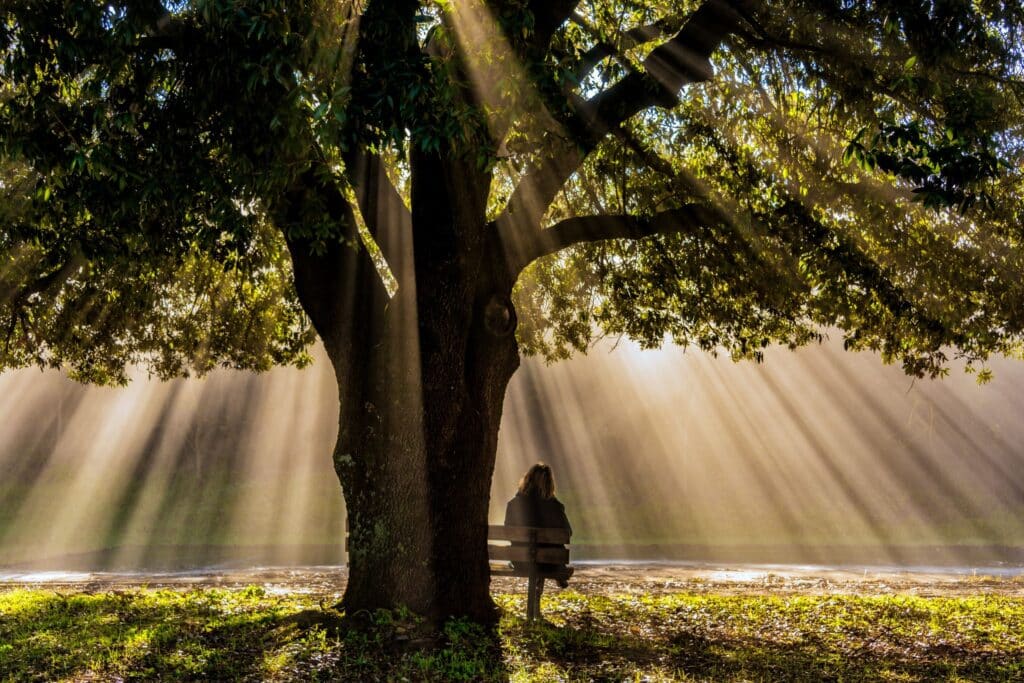
Kruger National Park is home to over 2,000 plant species, from the Big 5 trees of Kruger (marula, baobab, knob thorn acacia, wild fig, and fever tree) to delicate wildflowers and specialist succulents. The park’s flora spans six distinct landscape zones across South Africa’s Limpopo and Mpumalanga provinces. Plants in Kruger National Park are integral to wildlife survival and can be observed year-round.
Why Kruger National Park plants deserve your full attention
Most visitors arrive at Kruger National Park with their eyes fixed on the horizon, scanning for lions or elephants. But the vegetation beneath and around them tells an equally compelling story.
South Africa’s Kruger National Park supports more than a couple thousand plant species (Source: SANParks, 2023). That diversity underpins every food chain, every predator–prey relationship, and every birdsong you hear from your vehicle. Kruger National Park flora is one of the most biodiverse in sub-Saharan Africa, and one of the least celebrated by first-time visitors.
Kruger is not a backdrop for flora lovers, it is the destination.
The six landscape zones and their dominant flora
Kruger spans roughly 19,485 km² across Limpopo and Mpumalanga. That scale means the vegetation shifts dramatically as you travel north to south or east to west. Understanding these zones transforms a drive through plants in Kruger National Park into a full botany lesson.
Mopane Shrubveld (Northern Kruger)
The northern reaches are dominated by Colophospermum mopane, the mopane tree. Its butterfly-shaped leaves fold inward during heat to reduce water loss, a remarkable adaptation to the arid north. Mopane woodland supports elephants, which strip bark and consume leaves in large quantities. The mopane worm (Gonimbrasia belina), a dietary staple across southern Africa, feeds almost exclusively on mopane foliage.
Mixed Bushwillow Woodland (Central Kruger)
Central Kruger features several Combretum species, bushwillows, alongside knob thorn acacias (Senegalia nigrescens). The knob thorn’s cream-coloured flowers bloom in late winter and early spring, attracting insects and birds before the rains arrive. This zone is particularly rich in layered vegetation: tall canopy trees, mid-level shrubs, and ground-level grasses that shift with seasonal rainfall.
Lebombo Mountains (Eastern Border)
The Lebombo ridge runs the full eastern length of the park. Here, rocky outcrops support specialist plants including Euphorbia confinalis (Lebombo euphorbia), succulents, and a range of aloes. This zone has high plant endemism, species found nowhere else in the world (Source: South African National Biodiversity Institute, 2022).
Riverine Forest (Along Watercourses)
Follow any of Kruger’s major rivers, the Sabie, Olifants, or Luvuvhu, and the vegetation changes immediately. Tall sycamore figs (Ficus sycomorus), nyala berry trees (Xanthocercis zambesiaca), and jackalberry trees (Diospyros mespiliformis) form dense canopies. Riverine forest makes up a small percentage of Kruger’s total area but supports a disproportionately high percentage of its biodiversity (Source: SANParks Biodiversity Report, 2021).
Granite Outcrops (Southwestern Kruger)
Granite kopjes near the Pretoriuskop area host figs, cluster-leaf trees (Terminalia spp.), and large-leaved rock figs rooted directly into rock fissures. These micro-habitats are visually striking and botanically unique.
Sourveld Grasslands (Far South and West)
The southwestern corner around Pretoriuskop receives the highest rainfall in the park. Tall grasses, sour in nutrient value during dry months, dominate here alongside broad-leaved trees.
The Big 5 Trees in Kruger National Park
Just as the game reserve is famous for its Big 5 animals, Kruger National Park trees have their own celebrated shortlist: the Big 5 trees in Kruger National Park. These five species are the most ecologically significant, most widely encountered, and most emblematic of the Kruger landscape. Any serious exploration of Kruger national park plants begins here.
1. The Marula Tree (Sclerocarya birrea)
Few kruger national park trees are as culturally embedded in southern African life as the marula. Its fruit ferments naturally on the ground, famously attracting elephants. The fruit is also harvested for juice, beer, and the internationally recognised Amarula cream liqueur. The marula is a keystone species; its removal would trigger cascading effects across the ecosystem.
2. The Baobab (Adansonia digitata)
The baobab’s swollen trunk can store thousands of litres of water. Some specimens in the Limpopo region are estimated to be over 1,000 years old (Source: University of Pretoria, Dendrochronology Unit, 2019). Baobabs produce large, white, pendulous flowers that open at night and are pollinated by bats and bushbabies. Encountering a mature baobab is one of the defining moments of exploring Kruger National Park plants in the north.
3. The Knob Thorn Acacia (Senegalia nigrescens)
A signature tree of the central and southern park, the knob thorn is identifiable by the distinctive woody knobs along its trunk and branches. Giraffes browse heavily on its foliage, and leopards use its branches as larder sites for cached prey. It is one of the most photographed Kruger National Park trees among wildlife enthusiasts.
4. The Wild Fig (Ficus spp.)
Multiple fig species grow throughout Kruger, and all are ecological powerhouses. Figs fruit asynchronously across species, meaning there is almost always a fig tree in fruit somewhere in the park, a critical food source during lean months. The wild fig is central to Kruger National Park flora at every elevation and in every zone, from sycamore figs in the riverine forest to large-leaved rock figs on granite kopjes.
5. The Fever Tree (Vachellia xanthophloea)
The fever tree’s luminous yellow-green bark is unmistakable. Early settlers associated it with malaria because it grows near standing water, the real source of the disease. Today it stands as one of Kruger’s most photographed trees and a landmark species in any guide to plants in Kruger National Park.
More notable Kruger National Park flora
Beyond the Big 5 trees, Kruger National Park flora extends to hundreds of additional species worth knowing.
Mopane (Colophospermum mopane)
The defining tree of northern Kruger, the mopane’s butterfly-shaped leaves and dense woodland form the backbone of the park’s northern ecosystem. Covered in detail in the landscape zones above, it is indispensable to any guide to kruger national park plants.
Buffalo Thorn (Ziziphus mucronata)
A mid-layer shrub with distinctive paired thorns, one straight, one hooked. The buffalo thorn has deep cultural significance in several southern African traditions, with its fruit providing food for birds and small mammals. A rewarding find on any self-drive through plants in Kruger National Park.
Shepherd’s Tree (Boscia albitrunca)
Sometimes called the ‘tree of life’ of the bushveld, the shepherd’s tree is evergreen and provides year-round shade and food in an otherwise seasonally stark landscape. Its white bark and dense canopy make it a useful landmark during game drives.
A practical flora spotter’s guide: Step-by-step
Use this approach on your next game drive to engage meaningfully with Kruger National Park flora.
- Orient yourself geographically: Note which zone you’re in (north, central, south, riverine, or rocky outcrop). This narrows your likely plant palette before you even stop the vehicle.
- Observe the canopy layer first: Identify the dominant tall Kruger National Park tree. Is it mopane? Knob thorn? Marula? The canopy species tells you which animal species are most likely present.
- Drop to the mid-layer: Look for shrubs, young trees, and climbers. Combretum species, buffalo thorn, and shepherd’s tree are common mid-layer finds.
- Scan the ground layer: Grasses, herbs, and succulents complete the picture. Note whether grasses are green or dry to gauge rainfall timing and nutritional value for grazers.
- Look for interaction clues: Stripped bark indicates elephants; chewed branches suggest kudu or impala; claw marks on trunks point to leopard or honey badger. Plants in Kruger National Park record animal activity like a logbook.
- Cross-reference with a field guide: Carry A Field Guide to Trees of the Kruger National Park by Piet van Wyk, widely regarded as the definitive reference for Kruger National Park trees.
Comparing the Big 5 Trees in Kruger National Park at a glance
|
Tree |
Scientific name |
Distinctive feature |
Primary wildlife use |
|
Marula |
Sclerocarya birrea |
Plum-like fruit, spreading crown |
Elephants, birds, humans |
|
Baobab |
Adansonia digitata |
Massive swollen trunk, nocturnal flowers |
Bats, birds, large mammals |
|
Knob Thorn Acacia |
Senegalia nigrescens |
Woody knobs on trunk and branches |
Giraffes, leopards |
|
Wild Fig |
Ficus spp. |
Asynchronous fruiting, multiple species |
Baboons, hornbills, elephants |
|
Fever Tree |
Vachellia xanthophloea |
Yellow-green powdery bark |
Hippos, birds, insects |
|
Mopane |
Colophospermum mopane |
Butterfly-shaped leaves, arid adaptation |
Elephants, mopane worms |
|
Sycamore Fig |
Ficus sycomorus |
Large figs on trunk and branches |
Baboons, hornbills, elephants |
Flora and conservation: A shared responsibility
Kruger national park flora is not static. Elephant overpopulation in certain zones has altered vegetation structure drastically, with dense woodland giving way to open shrubveld in some areas (Source: SANParks Elephant Management Plan, 2022). Climate variability also affects flowering and fruiting cycles. Long-term monitoring by SANParks and partner research institutions tracks these changes to inform adaptive management.
Guests who stay near the park’s western boundary, as at Kruger Gate Hotel, witness this living savana without the buffer of a distant resort. The bush begins where the property ends.
Experiencing Kruger’s flora from Kruger Gate Hotel
Staying at Kruger Gate Hotel’s accommodation options places you at the Paul Kruger Gate; the most-used entrance to the park and the gateway to some of its most botanically diverse zones. The hotel’s setting and design draw the surrounding wilderness inward, so the Kruger experience begins well before you enter the park gates.
Our guests explore plants in Kruger National Park independently by vehicle, with the flexibility to follow their own pace through mopane woodland, riverine forest, and granite kopje terrain. After a day in the bush, the dining experience incorporates locally inspired flavours, many drawing on the same indigenous Kruger National Park flora that defines the landscape outside your window.
Plan your Kruger flora experience today. Contact the Kruger Gate Hotel reservations team to arrange your stay at South Africa’s most iconic wilderness gateway.
Frequently asked questions
How many plant species are found in Kruger National Park?
Kruger National Park contains over 2,000 plant species, including trees, shrubs, grasses, herbs, and succulents, spread across six distinct vegetation zones (Source: SANParks, 2023).
What are the Big 5 trees in Kruger National Park?
The Big 5 trees in Kruger National Park are the marula, baobab, knob thorn acacia, wild fig, and fever tree. These five species are the most ecologically significant and widely recognised Kruger National Park trees, each playing a critical role in supporting the park’s wildlife.
What is the most iconic tree in Kruger National Park?
The marula tree (Sclerocarya birrea) is arguably the most iconic, deeply embedded in both ecological and cultural heritage across southern Africa. The baobab and fever tree are equally recognised landmarks within Kruger National Park flora.
Is there a best time of year to see Kruger’s plants in bloom?
Kruger’s flora offers something distinctive in every season. Acacias bloom in late winter, summer brings lush green canopies, and the dry season reveals tree structure and bark detail more clearly. Plants in Kruger National Park reward flora lovers year-round.
Can I identify plants myself on a self-drive through Kruger?
Yes. A Field Guide to Trees of the Kruger National Park by Piet van Wyk is the standard reference for Kruger National Park trees. Many visitors also use the iNaturalist app for real-time identification support.
How close is Kruger Gate Hotel to the park’s main botanical zones?
Kruger Gate Hotel sits directly at the Paul Kruger Gate, the primary western entrance to the park. Guests have immediate access to mixed bushwillow woodland and riverine forest zones, two of the most botanically rewarding areas for kruger national park plants, from the moment they enter the park.