


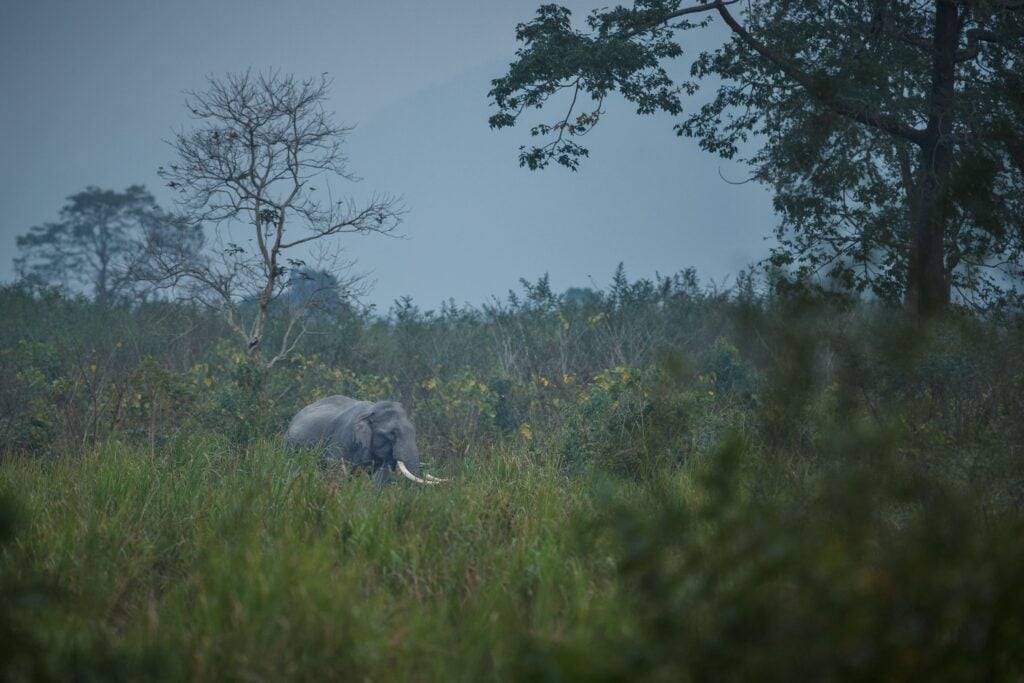
Kruger National Park experiences two primary seasons — a wet summer (October–April) and a dry winter (May–September). Both offer distinct wildlife viewing conditions and unique landscapes. There is no single “best” time to visit; each month delivers a different, rewarding experience. Kruger Gate Hotel, positioned at the Paul Kruger Gate, provides luxury accommodation suited to every season.
Understanding Kruger’s two core seasons
Kruger National Park sits within the Lowveld region of Limpopo and Mpumalanga, South Africa — a subtropical climate zone with two well-defined seasons.
Dry Season (May–September): Cooler temperatures, minimal rainfall, and sparse vegetation. Animals concentrate around water sources, making wildlife viewing particularly rewarding.
Wet Season (October–April): Warm to hot temperatures, afternoon thunderstorms, and lush green landscapes. Migratory birds arrive, and newborn animals appear across the bush.
Neither season is superior. Your ideal visit depends on what kind of experience you are seeking.
Month-by-month Kruger weather breakdown
January & February — Peak summer heat
January and February are the hottest months in Kruger, with daytime temperatures regularly reaching 38°C–40°C. Rainfall is frequent, arriving as heavy afternoon thunderstorms rather than all-day drizzle.
The bush is dense and vibrantly green. Waterholes are full, and wildlife is dispersed across the park. Birdwatching is exceptional — over 500 bird species have been recorded in Kruger, and many migratory species are present in large numbers.
For travellers who prefer fewer crowds and dramatic summer skies, these months offer a genuinely different kind of beauty.
March & April — Late rains, softer heat
Temperatures begin to ease slightly in March, averaging 30°C–34°C during the day. Rainfall starts to taper off through April, and the landscape remains lush.
April is a transitional month — evenings become noticeably cooler, and the vegetation begins to thin. Wildlife sightings become progressively easier as water sources start to recede. This period is well-suited to families and couples who want warmth without the intensity of midsummer.
May — The start of dry season
May marks the beginning of Kruger’s dry season and is a favourite among experienced safari-goers. Daytime temperatures settle around 25°C–28°C, with cool mornings and evenings.
Vegetation thins considerably, making it easier to spot animals near rivers and dwindling waterholes. The landscape shifts from vivid green to golden brown — a distinctly African aesthetic that photographs beautifully.
June & July — Cool, clear, and rewarding
June and July are the coolest months in Kruger. Morning temperatures can drop to 6°C–10°C, so layering is essential. Afternoons warm to a comfortable 22°C–25°C.
With minimal rainfall and sparse vegetation, wildlife congregates predictably around water. These months are among the most popular for game drives, though the park can be busier — particularly during South African school holidays in July.
Guests at Kruger Gate Hotel’s luxury suites and deluxe room appreciate the warmth of a private sanctuary after cool mornings in the bush.
August — Dry, warm, and wildlife-rich
August maintains the dry season’s excellent visibility conditions while temperatures begin to climb back toward 28°C–30°C. Waterholes are at their lowest, drawing large concentrations of elephant, buffalo, and other animals.
This is a strong month for wildlife enthusiasts. The park remains accessible, conditions are comfortable, and the scenery has a raw, stripped-back quality that is uniquely compelling.
September — Transition back to heat
September sees temperatures rising sharply — daytime highs often reach 32°C–35°C. Vegetation remains sparse, and wildlife viewing conditions are still excellent.
The first rains are anticipated but not guaranteed, meaning conditions can vary. September is a dynamic month that sits at the cusp of two seasons, offering the best of dry-season visibility with hints of the coming green.
October — Spring arrives in the lowveld
October is often called “suicide month” by locals — not because it is dangerous, but because the heat is intense, with temperatures climbing toward 38°C. The first significant rains typically arrive, triggering rapid vegetation growth.
This is also the season of new life. Many antelope species give birth in October and November, and predator activity increases accordingly. The bush becomes visually dramatic — half-golden, half-green — and the thunderstorms are spectacular.
November & December — Festive season in the bush
November and December bring increasing rainfall and heat. Temperatures hover between 28°C–38°C. The park is alive with newborn animals, migratory birds, and lush scenery.
December coincides with South African school holidays, so the park and surrounding areas are busier. Booking well in advance is essential. The festive atmosphere at Kruger Gate Hotel — including dining experiences at Kudyela Restaurant and Lapa — adds a celebratory dimension to a bush stay.
Seasonal comparison at a glance
Month | Avg. High (°C) | Rainfall | Vegetation | Wildlife Visibility | Crowd Level |
Jan–Feb | 38–40 | High | Dense/Green | Moderate | Low–Moderate |
Mar–Apr | 30–34 | Moderate | Green/Thinning | Moderate–Good | Low |
May | 25–28 | Low | Thinning | Good | Low–Moderate |
Jun–Jul | 22–25 | Very Low | Sparse | Very Good | Moderate–High |
Aug | 28–30 | Very Low | Sparse | Very Good | Moderate |
Sep | 32–35 | Very Low | Sparse | Excellent | Moderate |
Oct | 35–38 | Low–Moderate | Transitional | Good–Very Good | Moderate |
Nov–Dec | 28–38 | Moderate–High | Dense/Green | Moderate | Moderate–High |
What to pack: A season-by-season checklist
Dry Season (May–September)
- Warm layers — mornings and evenings can be cold; a fleece or light jacket is essential.
- Neutral-coloured clothing — khaki, olive, and beige tones are standard for game drives.
- Sunscreen and sunglasses — UV levels remain high even in cooler months.
- Binoculars — clear skies and open sightlines make these invaluable.
- Dust mask or buff — gravel roads in dry conditions generate significant dust.
Wet Season (October–April)
- Lightweight, breathable clothing — humidity can be significant during peak summer.
- Rain jacket or poncho — afternoon storms arrive quickly and pass just as fast.
- Insect repellent — mosquito activity increases with rainfall; malaria prophylaxis is recommended (consult your healthcare provider before travel).
- Waterproof camera bag — protect equipment during sudden downpours.
- Comfortable walking sandals — for time spent at the hotel between game drives.
Planning your stay around the weather
The key insight for any Kruger traveller is this: every month has merit. Dry-season visitors gain visibility and cooler conditions. Wet-season visitors gain colour, birdlife, and a sense of the bush at its most alive.
At Kruger Gate Hotel, our game drives and wildlife experiences are available year-round, designed to showcase what each season uniquely offers. Our professional guides understand the seasonal rhythms of the Lowveld intimately — and while wildlife sightings can never be guaranteed, the knowledge and positioning of our team maximise every opportunity.
For corporate groups planning a retreat or conference, the shoulder months of May and September offer excellent weather balance — comfortable temperatures, manageable crowds, and the full range of bush experiences. Explore our corporate and private functions options to plan a memorable event against a world-class backdrop.
The year-round case for Kruger
Some destinations have a narrow window of optimal conditions. Kruger is not one of them.
The park’s biodiversity, scale, and ecological variety mean that every season presents something genuinely worth experiencing. Whether you are drawn by the stripped-back drama of the dry months or the fertile abundance of summer, Kruger delivers.
Kruger Gate Hotel is open year-round and positioned to make the most of every season — from the cool, crisp mornings of July to the electric thunderstorm skies of January.
Ready to plan your Kruger experience? Explore our luxury accommodation options and find the room or suite that suits your travel style — whatever the season.
FAQ
Q1: What is the best month to visit Kruger National Park?
There is no single best month — it depends on your priorities. May to September offers dry conditions and excellent wildlife visibility. October to April brings lush scenery, birdlife, and newborn animals. Kruger Gate Hotel welcomes guests year-round and tailors experiences to each season.
Q2: Does it get cold in Kruger National Park?
Yes. June and July are the coldest months, with morning temperatures dropping to 6°C–10°C. Afternoons remain pleasant at 22°C–25°C. Packing warm layers for early mornings is strongly recommended during the dry winter months.
Q3: Is Kruger National Park safe to visit during the rainy season?
Yes. The wet season (October–April) is safe and offers a distinct experience. Roads within the park remain accessible, and the landscape is at its most vibrant. Travellers should take malaria precautions — consult a healthcare professional before travel.
Q4: Are wildlife sightings guaranteed at any time of year?
No. Wildlife sightings in Kruger National Park are never guaranteed, regardless of the season. However, dry-season months (May–September) offer improved visibility due to sparse vegetation and animals concentrating around water sources.
Q5: Does Kruger Gate Hotel operate year-round?
Yes. Kruger Gate Hotel is open throughout the year, offering luxury accommodation, dining, spa, and safari experiences across all seasons. Each month brings a different character to the bush, and the hotel’s team is equipped to make the most of every visit.