


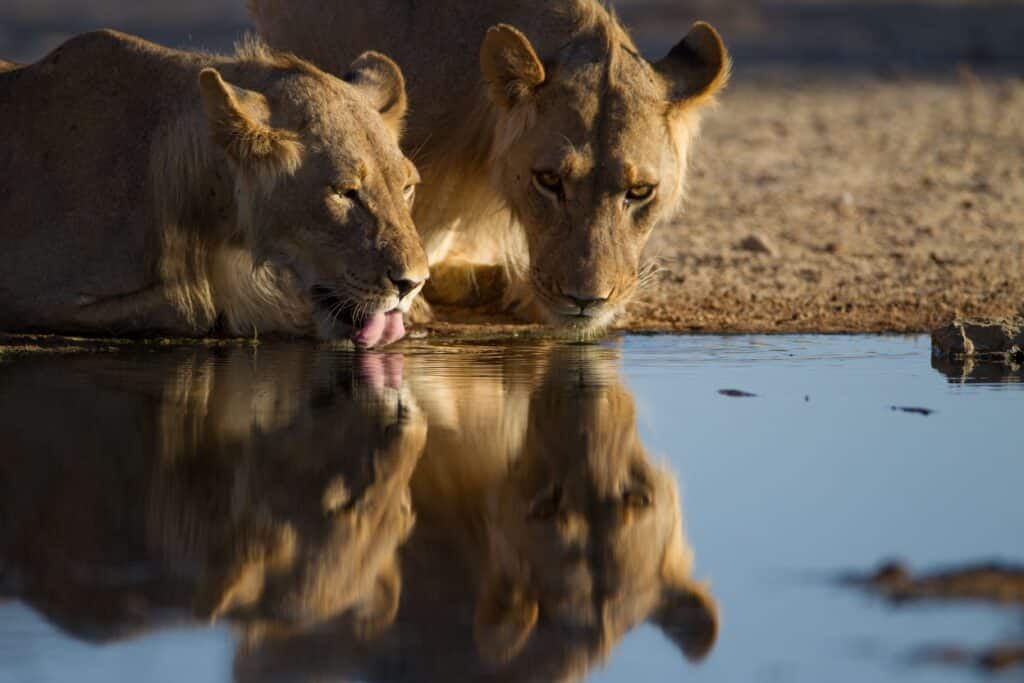
Kruger National Park consistently outperforms Pilanesberg National Park in wildlife diversity, luxury accommodation options, and authentic safari experiences for international visitors considering Kruger vs Pilanesberg. Located in Mpumalanga, South Africa, Kruger spans 19,485 square kilometres compared to Pilanesberg’s 550 square kilometres, offering superior Big Five viewing opportunities and world-class lodges like Kruger Gate Hotel positioned directly at the Paul Kruger Gate entrance.
Kruger vs. Pilanesberg: Which safari destination wins?
Few decisions shape an African safari quite like choosing where to go. Kruger National Park and Pilanesberg National Park both promise the thrill of Big Five sightings and the drama of the African bush, yet they deliver fundamentally different experiences. The choice matters more than it might first appear for international visitors making this journey once in a lifetime. This guide cuts through the noise to help you decide which park deserves your time, money, and sense of wonder.
Kruger National Park vs. Pilanesberg: Size and wildlife diversity
Park scale and habitat variety
Kruger National Park dominates this comparison through sheer scale and biodiversity. Spanning an immense expanse across Mpumalanga and Limpopo provinces, Kruger offers 35 times more territory than Pilanesberg in North West Province.
This size difference translates directly into wildlife variety:
Kruger National Park Wildlife Statistics:
- 147 mammal species
- 507 bird species
- 114 reptile species
- 49 fish species
- 336 tree species
Pilanesberg National Park Wildlife:
- 30 mammal species
- 300+ bird species
- Smaller reptile diversity
Big five viewing opportunities
Both parks host Africa’s famous Big Five animals, yet Kruger’s populations drastically exceed Pilanesberg’s numbers. Kruger’s vast territories support larger predator populations and more diverse antelope species, creating superior game viewing consistency.
The Sabie River region, where Kruger Gate Hotel operates, particularly excels for elephant and buffalo herds visiting the riverbanks directly visible from luxury accommodations.
Accessibility and location advantages
International visitor convenience
|
Factor |
Kruger National Park |
Pilanesberg National Park |
|
Distance from Johannesburg |
350km (4 hours) |
180km (2.5 hours) |
|
Nearest Airport |
Kruger Mpumalanga International |
OR Tambo International |
|
Gate access options |
9 entrance gates |
4 entrance gates |
|
Accommodation variety |
300+ luxury to budget options |
50+ mostly mid-range options |
Strategic location benefits
Kruger’s proximity to Mozambique and Zimbabwe creates unique cross-border safari opportunities. The Paul Kruger Gate entrance, adjacent to Kruger Gate Hotel, provides immediate park access without lengthy transfers through tourist-heavy areas.
Pilanesberg’s location near Sun City appeals to visitors combining safari experiences with entertainment complexes, yet this proximity can detract from authentic wilderness immersion.
Luxury accommodation: Kruger vs. Pilanesberg options
Premium safari hotels comparison
Kruger National Park hosts internationally acclaimed luxury safari lodges, including renowned private concessions like Sabi Sands and Timbavati. These exclusive areas offer unmatched wildlife encounters with world-class hospitality standards.
Kruger Gate Hotel Advantages:
- Direct Paul Kruger Gate access
- Sabie River frontage with wildlife viewing
- Infinity pool overlooking natural water sources
- 4-star African-inspired suites and rooms
- Comprehensive spa and wellness facilities
- Tailored game drive packages with expert guides
Pilanesberg accommodation landscape
Pilanesberg offers quality mid-range lodges with convenient access, yet lacks Kruger’s ultra-luxury safari camp diversity. Most Pilanesberg accommodations focus on family-friendly facilities rather than premium adult safari experiences.
The accommodation density around Pilanesberg can impact the exclusive safari atmosphere that international visitors regularly seek during their African adventure.
Safari experience quality: Which park delivers better?
Wildlife behaviour and authenticity
Kruger National Park’s impressive ecosystem supports natural animal migration patterns and predator-prey relationships largely undisturbed by human development. This creates more authentic wildlife behaviour observations.
Animals in Kruger exhibit less human habituation compared to Pilanesberg’s more concentrated visitor areas. The result: more natural animal encounters and superior photographic opportunities for international guests.
Game drive variety and expertise
Kruger’s extensive road network enables diverse game drive routes, from riverine forests to open savannas. Professional guides at establishments like Kruger Gate Hotel possess decades of local knowledge about animal territories and seasonal movement patterns.
The park’s varied ecosystems, from granite koppies to fever tree forests, provide constantly changing scenery and wildlife opportunities throughout extended stays.
Seasonal considerations for international visitors
Year-round safari advantages
Both parks offer excellent year-round wildlife viewing, yet Kruger’s size provides more reliable animal encounters during all seasons. The dry winter months (May to September) concentrate animals around permanent water sources like the Sabie River.
Kruger’s diverse microclimates mean optimal viewing conditions exist somewhere within the park regardless of seasonal variations. This reliability particularly benefits international visitors with fixed travel dates.
Weather and accessibility
Neither park experiences extreme seasonal accessibility challenges, making both suitable for international travellers throughout the year. However, Kruger’s variety provides better flexibility during peak season periods.
South Africa’s premier safari destinations
South Africa’s national park system, managed by South African National Parks (SANParks), maintains some of Africa’s most successful conservation programmes. Kruger National Park, established in 1898, represents the flagship of South African wildlife conservation and has pioneered numerous anti-poaching and community development initiatives.
The park contributes approximately R2.8 billion annually to South Africa’s economy through tourism, according to SANParks economic impact studies. This economic significance ensures continued investment in infrastructure, wildlife management, and visitor facilities.
Kruger’s international recognition includes UNESCO Biosphere Reserve status and membership in the Great Limpopo Transfrontier Park, connecting South African, Mozambican, and Zimbabwean protected areas into a massive cross-border conservation area spanning 35,000 square kilometres.
Kruger vs. Pilansberg: Frequently asked questions
Is Pilanesberg better than Kruger for first-time safari visitors?
Kruger National Park offers superior first-time safari experiences due to its larger wildlife populations, diverse ecosystems, and extensive luxury accommodation options like Kruger Gate Hotel. While Pilanesberg provides convenient access from Johannesburg, Kruger’s authentic wilderness experience and consistent Big Five sightings make it the preferred choice for international visitors seeking their inaugural African safari.
Which is better: Pilanesberg or Kruger for luxury safari experiences?
Kruger National Park dramatically outperforms Pilanesberg for luxury safari experiences, offering world-renowned private concessions, premium lodges like Kruger Gate Hotel with direct park access, and sophisticated wildlife viewing opportunities. Kruger’s luxury options include exclusive game reserves, private guides, and ultra-premium accommodations that Pilanesberg cannot match in variety or quality.
How does wildlife viewing compare between Kruger and Pilanesberg?
Kruger National Park provides superior wildlife viewing with 147 mammal species compared to Pilanesberg’s 30 species, larger Big Five populations, and more diverse ecosystems spanning 19,485 square kilometres. Kruger’s vast territories support natural animal behaviours and migration patterns, resulting in more authentic and varied wildlife encounters for visitors.
What are the main accessibility differences between Kruger vs. Pilanesberg?
Pilanesberg sits closer to Johannesburg (180km vs. 350km), but Kruger National Park offers superior accessibility through nine entrance gates, nearby Kruger Mpumalanga International Airport, and extensive accommodation networks. Kruger’s multiple access points and established tourism infrastructure provide greater flexibility for international travellers despite the additional travel distance.
Does Kruger or Pilanesberg offer better value for international visitors?
Kruger National Park delivers superior value for international visitors through diverse accommodation options from budget to ultra-luxury, extensive wildlife populations ensuring consistent sightings, and comprehensive safari experiences. While Pilanesberg offers quicker access, Kruger’s authentic wilderness experience, premium facilities like those at Kruger Gate Hotel, and proven track record justify the investment for discerning international travellers.
Conclusion
Kruger National Park emerges as the clear winner in this Kruger vs. Pilanesberg comparison for international visitors seeking an authentic African safari experience. The combination of unparalleled wildlife diversity, luxury accommodation options, and genuine wilderness immersion creates a platform for unique stories to share.
Kruger Gate Hotel positions itself as the ultimate gateway to this world-renowned safari destination, offering luxury accommodation with direct Paul Kruger Gate access and comprehensive guided game drive packages. Book your incredible Kruger National Park safari experience today and discover why international travellers consistently choose Kruger over alternatives.