


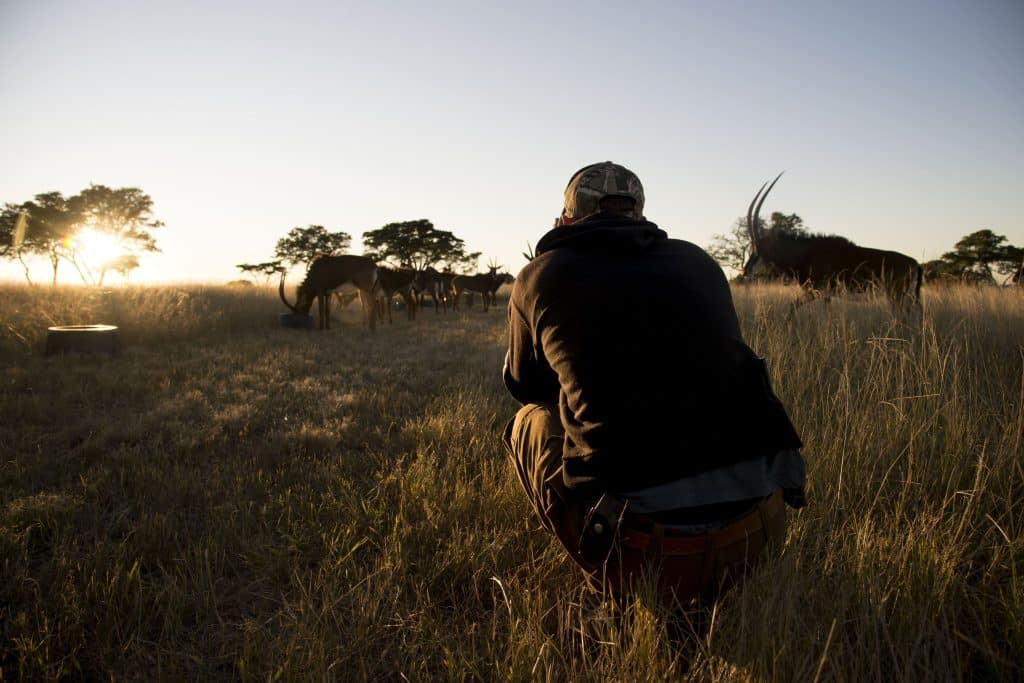
You’re mistaken if you think experiencing a Kruger wildlife safari means just observing animals from a vehicle. It’s also about connecting deeply with the African wilderness through bush tracking, animal behaviour observation, and basic wilderness awareness.
At the heart of this experience is the art of bush tracking, a slower-paced and more intimate way of exploring nature. Guided walks allow visitors to study fresh lion prints, identify animal trails, and listen to the subtle sounds of the savannah.
Guests at Kruger Gate Hotel can stay near professional-guided safari adventures designed to help them understand wildlife movements, ecosystem rhythms, and survival awareness in the African bush.
Kruger wildlife safaris: The art of tracking wildlife
Bush tracking is a fascinating skill to learn during a Kruger wildlife safari. Every footprint, broken branch, or disturbed patch of grass tells part of nature’s story. Tracking is about identifying animals and understanding:
- Where animals have been
- What they were doing
- Where they may move next
Herbivores such as elephants and giraffes leave distinctive trails that regularly lead toward feeding areas or water sources. Experienced trackers learn to examine:
- Track freshness
- Direction of movement
- Soil disturbance patterns
- Nearby environmental clues
During guided Kruger bush walks (available through SANParks), rangers help guests understand how animals move between feeding grounds and resting areas. With practice, visitors begin to anticipate animal behaviour by reading subtle signs left behind in the wilderness.
Reading the language of the African bush
The African bush communicates constantly through sounds, smells, and movement. Animal calls, rustling leaves, or fresh dung can reveal valuable information about wildlife presence.
Water sources are especially important in the savannah ecosystem. Many animals follow established game paths that function like natural highways connecting feeding areas to drinking points.
Understanding these paths helps visitors appreciate why animals move in predictable patterns during certain times of the day. Key bush sign observations include:
- Track moisture and clarity
- Bird alarm calls indicating predators
- Feeding marks on vegetation
- Direction of movement toward waterholes
Professional safari guides use years of experience to interpret these environmental signals safely.
Wilderness survival awareness basics
True wilderness knowledge goes beyond animal tracking. While guests on safari are always accompanied by trained guides, learning survival awareness enriches the adventure and promotes respect for nature.
Finding and conserving water
In the African wilderness, water sources are critical. Animals frequently travel along game paths to reach waterholes. These paths are largely easiest to follow when moving downhill or toward vegetation clusters. Important survival principles include:
- Avoid unnecessary movement in unknown terrain
- Follow established animal paths when guided by experts
- Conserve energy in hot climates
Bush tracking traditions of the Kruger
In the Kruger region, bush tracking is a technical skill that is part of a living cultural heritage. Professional safari guides often act as storytellers of the landscape, transporting visitors into the art of tracking through oral traditions, historical rhythms, and ecological folklore passed down through generations.
Many guides are deeply connected to the land and share knowledge inspired by ancestral practices that emphasise harmony between people, wildlife, and the environment. Through these stories, guests gain insight into how early inhabitants of the region understood animal behaviour, seasonal movement, and survival in the African bush. This fusion of science, experience, and cultural memory enriches every Kruger wildlife safari.
Ideal guests for Kruger wildlife safaris
These immersive Kruger wildlife safari experiences are especially suited to travellers who seek meaningful connection with nature rather than fast-paced sightseeing. The experience attracts nature enthusiasts, wildlife photographers, and curious explorers who enjoy learning about ecosystems, animal behaviour, and the stories hidden within the African landscape.
Couples looking for romantic wilderness memories, solo travellers seeking reflection in natural surroundings, and families wanting educational adventure will all find value in guided bush tracking and walking safari experiences. Guests who appreciate quiet observation, cultural storytelling, and professional wildlife interpretation will especially enjoy the slow rhythm of the African bush while staying at Kruger Gate Hotel.
Learn bush skills on safari at Kruger Gate Hotel
Bush tracking, environmental awareness, and wildlife observation together create a meaningful safari experience.
When staying at Kruger Gate Hotel, guests can join guided safari drives that introduce them to:
- Animal behaviour recognition
- Track identification basics
- Ecosystem awareness
- Safe wilderness appreciation
Every safari becomes an opportunity to see the African bush from a new perspective, not just as a visitor, but as an informed observer of nature.
Why choose Kruger Gate Hotel for your Safari experience?
Your stay at the Kruger Gate Hotel gives you:
- Close proximity to prime wildlife viewing areas
- Professional safari guide experiences (make sure to book guided drives well in advance)
- Comfortable luxury accommodation near Kruger National Park
- Educational wildlife interaction opportunities
The experience helps deepen your understanding of African wildlife, whether you are a first-time visitor or a seasoned safari traveller.
Start your Kruger wildlife safari adventure
Make your stay more than just a holiday. Explore the wilderness, learn basic bush tracking, and experience authentic African safari culture at Kruger Gate Hotel. Contact the Kruger Gate Hotel team today to step into the rhythm of the African savannah.
FAQs about bush tracking
Are bush walks safe in Kruger National Park?
Yes. Guided bush walks are conducted by trained professionals and follow strict safety protocols.
What animals can be seen during bush tracking safaris?
Visitors may encounter elephants, antelope species, birds, and sometimes predators from a safe distance.
Do I need prior survival experience?
No. Safari experiences are designed for beginners and nature enthusiasts.
When is the best time for wildlife viewing in Kruger?
Early morning and late afternoon are typically the best wildlife viewing times.