


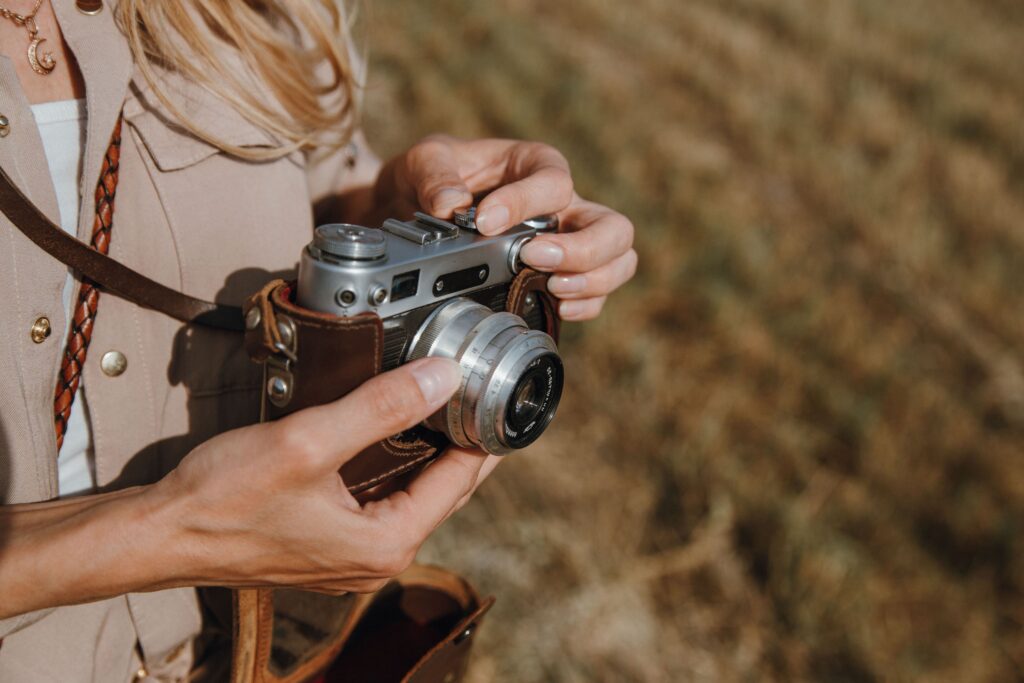
Anyone who has invested in a quality camera and lenses understands that exceptional outdoor photography is about more than equipment. Light, atmosphere, wildlife movement, and seasonal scenery all influence the final image. The time of year can drastically shape your results, especially in a destination like the Kruger National Park.
The Park offers ever-changing conditions for both nature photography and wildlife photography, from golden winter light and breathtaking summer skies to lavish riverine scenes and concentrated wildlife sightings. While sightings are never guaranteed, understanding cyclical patterns gives photographers a meaningful advantage.
In this guide, we explore the best months for capturing striking Kruger National Park images, what you can expect throughout the year, and technical considerations for securing powerful pictures of Kruger National Park.
Outdoor photography: Kruger’s photographic ecosystems
Kruger National Park encompasses diverse ecosystems that provide distinct photographic opportunities throughout the seasonal calendar. The southern region, accessible from Paul Kruger Gate, contains the highest concentration of wildlife due to permanent water sources and diverse habitat types.
The Sabie River ecosystem supports year-round wildlife activity, with peak concentrations occurring during dry months when alternative water sources diminish. This river system maintains flow throughout seasonal variations, creating consistent outdoor photography opportunities regardless of rainfall patterns.
Scientific research indicates that wildlife congregation patterns around permanent water sources intensify during months with less than 50mm rainfall, usually occurring between May and September. These patterns directly correlate with optimal wildlife photography conditions as animals become more predictable and visible.
Vegetation phenology studies demonstrate that grass heights reach minimum levels during August and September, providing maximum wildlife visibility for telephoto photography. Conversely, peak vegetation growth occurs between December and March, creating opportunities for intimate, frame-filling wildlife portraits.
Understanding Kruger’s photographic seasons
Dry season advantages (May-September)
The dry season is ideal for outdoor photography enthusiasts. Sparse vegetation provides unobstructed sightlines to wildlife, while animals concentrate around permanent water sources, creating predictable photography opportunities.
- May and June deliver crisp morning light with comfortable temperatures. Grass remains relatively short due to winter dormancy, eliminating the natural obstructions that plague wet-season photography.
- July through August offers the driest conditions with minimal rainfall. Wildlife viewing reaches peak intensity as animals gather at rivers and waterholes. The Sabie River, flowing directly past premier accommodation areas like the Kruger Gate Hotel, becomes a wildlife highway during these months.
- September marks the transition period where spring warmth begins, yet dryer conditions persist. This timing provides exceptional opportunities for photographing animal interactions as mating seasons commence for various species.
Wet season opportunities (October-April)
While traditionally considered off-peak for wildlife photography, the wet season offers unique outdoor photography advantages that experienced photographers leverage effectively.
- October and November present the “shoulder season” with emerging green landscapes and active wildlife as temperatures rise. Migratory birds arrive, adding diverse subjects to your portfolio.
- December through February showcases dramatic storm photography opportunities with spectacular cloud formations and spectacular lighting. New vegetation creates intimate wildlife portraits as animals seek shade in dense cover.
- March and April deliver excellent conditions as rainfall decreases while maintaining rich landscapes. Young animals born during the wet season become more active and photogenic.
Monthly photography calendar
Peak Months (June-August)
- June combines optimal weather with exceptional wildlife activity. Morning temperatures hover around 10°C, creating comfortable conditions for extended photography sessions. Golden hour lighting extends longer due to winter sun angles.
- July represents the photographer’s sweet spot with consistently clear skies and predictable animal movements. River crossings and waterhole gatherings provide action photography opportunities.
- August maintains arid conditions while introducing subtle seasonal changes. Vegetation reaches minimum density, offering maximum visibility for telephoto lens work.
Shoulder months (May, September-October)
- May transitions into dry season benefits while retaining some wet season advantages. Comfortable temperatures and decreasing rainfall create excellent conditions without peak season intensity.
- September offers warming temperatures with continued winter season advantages. Wildlife remains concentrated while spring activity begins, providing behavioural photography opportunities.
- October delivers transitional benefits with emerging rains creating dramatic sky photography while maintaining wildlife visibility advantages.
Specialised photography months (November-April)
- November through January provides storm photography opportunities with spectacular cloud formations and dynamic lighting conditions. Macro photography flourishes with abundant insect activity.
- February and March excel for bird photography as migratory species peak in numbers and breeding plumage. Lush backgrounds create striking portrait opportunities.
- April combines decreasing rainfall with optimal temperatures, creating comfortable conditions for full-day photography expeditions.
Choosing the best time for your photography goals
|
Photography focus |
Best months |
|
Big Five portraits |
June – September |
|
Waterhole action shots |
July – September |
|
Scenic photography |
November – March |
|
Bird photography |
December – March |
|
Baby animals |
January – March |
Technical considerations for each season
Equipment recommendations by month
- Dry season months require dust protection for camera equipment while offering stable tripod conditions on stony ground. Longer focal lengths perform ideally due to clear atmospheric conditions.
- Wet season photography demands weather protection and potentially different lens choices due to changing shooting distances as vegetation affects animal visibility.
You may be interested in learning more by visiting: Kruger Park Safari Tech: Apps, Gear, and Online Resources for 2026.
Lighting patterns throughout the year
- Winter months (June-August) provide extended golden hour periods due to lower sun angles, creating warm, directional lighting ideal for wildlife portraits.
- Summer months (December-February) offer stunning lighting opportunities during storm periods, though photographers must balance weather protection with creative opportunities.
With its prime location near the Kruger National Park, Accommodation at the Kruger Gate Hotel gives you unmatched access to the most spectacular outdoor photography scenes.
FAQs: Outdoor photography in Kruger
What is the absolute best month for outdoor photography in Kruger?
A: July offers the optimal combination of dry conditions, clear skies, concentrated wildlife, and comfortable temperatures for extended photography sessions.
Q: Can you get good wildlife photos during the wet season?
A: Yes, wet season photography provides unique opportunities including, dramatic storm shots, lush backgrounds, baby animals, and diverse bird photography with fewer crowds.
What time of day produces the best outdoor photography results?
Golden hour periods (first hour after sunrise and last hour before sunset) provide optimal lighting, with winter months offering extended golden hour periods due to lower sun angles.
How does seasonal rainfall affect wildlife photography opportunities?
A: Dry months concentrate animals around water sources, making them predictable and visible, while wet months disperse wildlife but provide lush backgrounds and dramatic weather photography.
Which months offer the best combination of weather and wildlife activity?
A: May through September provide consistently excellent conditions, with June through August representing peak outdoor photography opportunities in Kruger.
Do photography conditions vary significantly between morning and afternoon game drives?
Morning drives typically offer better wildlife activity and softer lighting, while afternoon drives provide opportunities for dramatic sunset photography and different animal behaviors.
How far in advance should photographers plan their Kruger visits?
Book 6-12 months ahead for peak season months (June-August), while shoulder months (May, September-October) offer more flexibility with 2-3 months planning.
Conclusion
Successful outdoor photography in Kruger depends on understanding seasonal patterns that influence wildlife behavior, vegetation density, and lighting conditions. Peak dry season months from June through August deliver consistently exceptional conditions, while shoulder months provide unique advantages with comfortable weather and fewer crowds.
Planning your photography expedition around these seasonal variations, combined with strategic accommodation positioning near Paul Kruger Gate, ensures optimal access to diverse photographic opportunities throughout your stay. Book your stay at Kruger Gate Hotel today to begin your exceptional outdoor photography adventure.