


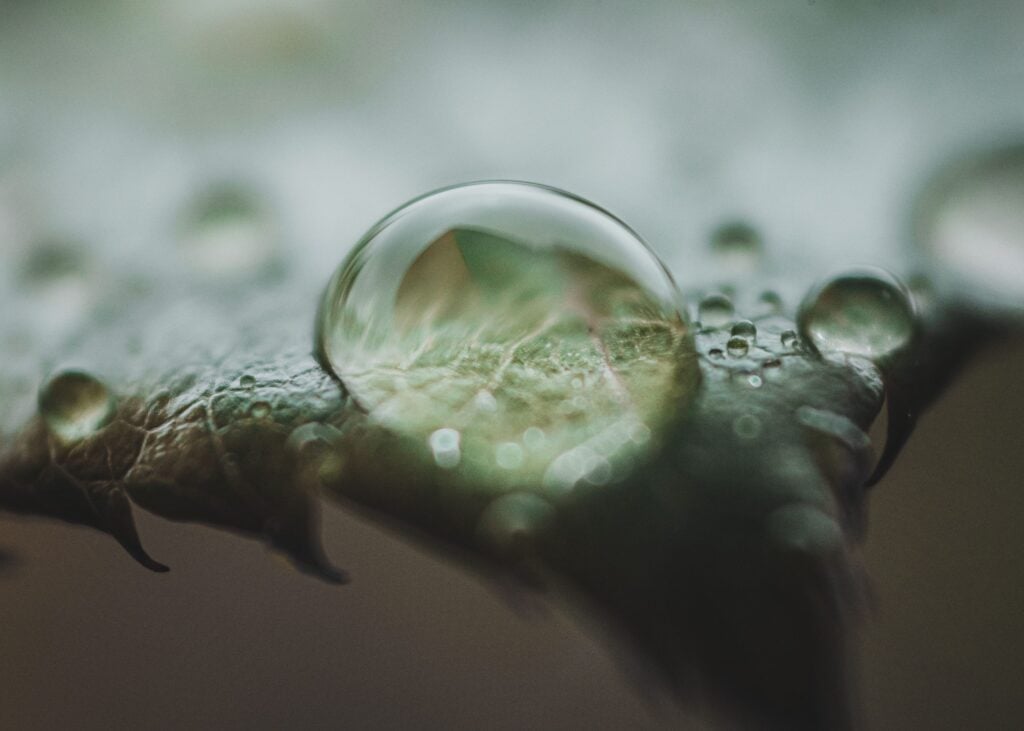
Rain in Kruger National Park transforms the African bushveld into a wildlife paradise, occurring primarily in the South African spring and summer months. The rainy season brings thrilling thunderstorms to the Kruger that awaken the environment, triggering increased animal activity, vibrant vegetation, and unique safari experiences; watch one of our recent storms unfold. Predators hunt more actively after storms, while herbivores gather at fresh water sources, creating exceptional game viewing opportunities throughout Mpumalanga’s premier conservation area.
Rain in Kruger National Park: The magic of seasonal storms
The crack of lightning illuminates the African sky as thunder rolls across the Sabie River. Most travellers avoid the rainy season, but those who venture into the Kruger National Park during these striking months discover nature’s most spectacular performance.
Rain transforms this iconic South African wilderness into a living theatre where wildlife behaviours shift, terrains explode with colour, and every game drive becomes an adventure wrapped in natural drama.
Nestled at the Paul Kruger Gate entrance, visitors experience this seasonal transformation firsthand while staying in comfort and luxury.
Understanding Kruger National Park climate during rain season
When rain arrives in Kruger National Park
The Kruger National Park rainy season usually runs from October through March, with peak rainfall occurring between December and February. This period coincides with South Africa’s summer months, bringing afternoon thunderstorms that sweep across the Mpumalanga lowveld.
These seasonal storms follow predictable patterns:
- Morning game drives mainly enjoy clear skies
- Afternoon clouds build into spectacular thunderheads
- Evening storms create vivid lightning displays
- Night-time brings the sounds of awakening nocturnal life
Visit our month-by-month guide if you’re curious about the best time to visit the Kruger National Park.
Rainfall Patterns and Safari Planning
Monthly rainfall varies drastically across different areas of the park. The eastern regions near the Mozambique border receive higher precipitation, while western areas experience more moderate levels.
Month | Average Rainfall | Weather Pattern |
October | 60mm | Early season storms |
November | 80mm | Building intensity |
December | 120mm | Peak storm activity |
January | 110mm | Consistent rainfall |
February | 90mm | Late season patterns |
March | 70mm | Transition period |
These differences mean safari experiences change throughout the season, offering unique advantages for wildlife enthusiasts who understand these patterns.
What Rainy Season Animals Reveal About Safari Magic
Predator behaviour during and after storms
Rain dramatically alters predator hunting patterns throughout the Kruger National Park. Lions, leopards, and cheetahs become more active during and immediately after thunderstorms, taking advantage of cooler temperatures and reduced prey alertness.
The post-rain period creates ideal hunting conditions:
- Fresh scent trails become easier to follow
- Prey animals focus on feeding rather than vigilance
- Cooler temperatures allow sustained pursuit
- Water sources concentrate animal movements
Experienced guides often plan afternoon game drives to coincide with post-storm periods, when predator activity peaks and sighting opportunities multiply.
Herbivore gatherings at fresh water sources
Elephants, buffalo, and antelope species exhibit fascinating behaviours during the rainy season. Fresh water sources attract massive herds, creating spectacular viewing opportunities for safari guests.
These gatherings provide insights into complex social structures and inter-species relationships that remain hidden during drier periods.
Kruger safari in the rain: Practical considerations
What to wear for rainy season game drives
Proper preparation ensures comfort during rain-enhanced safari experiences. Essential items include:
- Waterproof jacket: Lightweight but effective protection
- Quick-dry clothing: Synthetic fabrics work better than cotton
- Non-slip footwear: Waterproof boots with good grip
- Protective gear: Waterproof cover for cameras and binoculars
- Warm layers: Temperatures drop significantly during storms
Safari vehicles at luxury lodges typically feature retractable roofs and weather protection, allowing guests to enjoy the experience while staying cosy.
Game drive operations during heavy rainfall
Professional safari operators continue game drives during most weather conditions, with safety as the primary consideration. Light to moderate rain enhances rather than hinders wildlife viewing, though heavy downpours may require temporary shelter.
Drive continuation protocols:
- Light rain (1-5mm/hour): Normal operations continue
- Moderate rain (5-15mm/hour): Enhanced wildlife activity expected
- Heavy rain (15mm+/hour): Temporary shelter until conditions improve
- Severe storms: Return to the lodge for safety
Most afternoon thunderstorms last 30-60 minutes, creating perfect conditions for extended game drives once the weather clears.
Photography and visibility during storms
Rain creates unique photographic opportunities that reward prepared photographers. Aesthetic skies, enhanced colours, and active wildlife combine to produce exceptional images.
Photography tips for rainy conditions:
- Use faster shutter speeds to capture rain droplets
- Embrace theatrical lighting from storm clouds
- Focus on animal behaviour changes
- Protect equipment with waterproof covers
- Take advantage of post-rain golden light
Visibility actually improves after rainfall as dust settles and vegetation appears more vibrant against the brilliant sky. Get in depth photography insights in our outdoor photography guide.
The sensory experience of thunderstorm safari adventures
Lightning over the African bushveld
Nothing compares to experiencing an African thunderstorm from the safety of a luxury safari vehicle. Lightning illuminates the landscape in stark detail, revealing the raw power of nature while creating unforgettable memories.
The electrical energy in the air seems to awaken the entire ecosystem. Frogs emerge in massive numbers, their calls creating a symphony that drowns out normal bush sounds. This amphibian chorus signals the beginning of renewed life cycles throughout the park.
Post-rain wildlife awakening
The hour immediately following a thunderstorm offers some of the most rewarding game viewing in all of Africa. Animals emerge from shelter with renewed energy, creating a flurry of activity across the landscape.
Observers regularly witness:
- Elephant herds celebrating with mud baths
- Predators beginning evening hunts early
- Bird species emerging in massive numbers
- Antelope species gathering at fresh water sources
This natural awakening creates a sense of witnessing the pulse of Africa itself.
Kruger National Park rainfall ecology
The Kruger National Park’s unique position in the Mpumalanga lowveld creates distinct microclimates that influence rainfall patterns across its enormous topography. The park’s elevation gradient from east to west affects precipitation distribution, with eastern regions receiving up to 150mm more annual rainfall than western areas.
This variation supports diverse vegetation zones, from riverine forests along the Sabie and Crocodile Rivers to mixed bushveld and mopane woodland. The seasonal rains trigger complex ecological processes, including grass seed germination, tree flowering cycles, and insect population explosions that form the foundation of the park’s food web.
Research conducted by South African National Parks demonstrates that wildlife breeding cycles align closely with rainfall patterns, ensuring offspring arrive during periods of abundant food resources. This synchronisation highlights the intricate relationship between climate and conservation in one of Africa’s most important wilderness areas.
Frequently asked questions about rain in Kruger National Park
Does rain ruin a Kruger National Park safari experience?
Rain significantly enhances rather than ruins Kruger National Park safari experiences by triggering increased wildlife activity, creating sensational photographic opportunities, and offering unique animal behaviours. The rainy season provides some of the most rewarding game viewing opportunities, especially during post-storm periods when animals emerge with renewed energy and predators become more active.
When is the rainy season in Kruger National Park?
The rainy season in Kruger National Park occurs from October through March, with peak rainfall between December and February. This period brings afternoon thunderstorms and enhanced wildlife activity, making it an excellent time for safari experiences despite common misconceptions about weather affecting game viewing quality.
What do wild animals do when it rains in Kruger?
Wild animals in Kruger seek temporary shelter during heavy downpours but become highly active immediately after storms pass. Predators use post-rain conditions for hunting, while herbivores gather at fresh water sources, creating concentrated viewing opportunities for safari guests willing to embrace the dramatic weather.
Can you still go on game drives during rain in Kruger?
Game drives continue during light to moderate rain in Kruger National Park, with professional guides adjusting routes and timing for optimal wildlife viewing. Heavy downpours may require temporary shelter, but these typically last 30-60 minutes, after which exceptional animal activity resumes with improved visibility and cooler temperatures.
Why do animals become more active after rain in Kruger?
Animals become more active after rain due to cooler temperatures, fresh scent trails, abundant water sources, and reduced competition for resources. Predators take advantage of optimal hunting conditions, while herbivores emerge to feed on fresh vegetation, creating a burst of wildlife activity across the park.
Is the rainy season the best time to visit Kruger National Park?
The rainy season offers unique advantages including striking landscapes, increased animal activity, fewer crowds, and spectacular thunderstorm experiences. While traditionally considered off-peak, many experienced safari enthusiasts prefer this period for its authentic African atmosphere and exceptional wildlife viewing opportunities, especially for photography and predator behaviour observation.
Conclusion
Rain in Kruger National Park creates the most authentic and amazing safari experiences available in Africa. Rather than avoiding the rainy season, discerning travellers embrace these months for their unparalleled wildlife viewing opportunities and spectacular natural drama.
The thunderstorms that sweep across the Mpumalanga bushveld awaken the landscape and trigger animal behaviours that remain hidden during drier periods. From lightning illuminating the African sky to the symphony of frogs announcing renewed life, every aspect of a rainy season safari creates lasting memories.
Experience the magic of rain-enhanced safari adventures while staying in luxury and comfort. Enjoy your thunderstorm safari experience by booking a suite at Kruger Gate Hotel and discover why the rainy season reveals Kruger National Park at its most spectacular.