


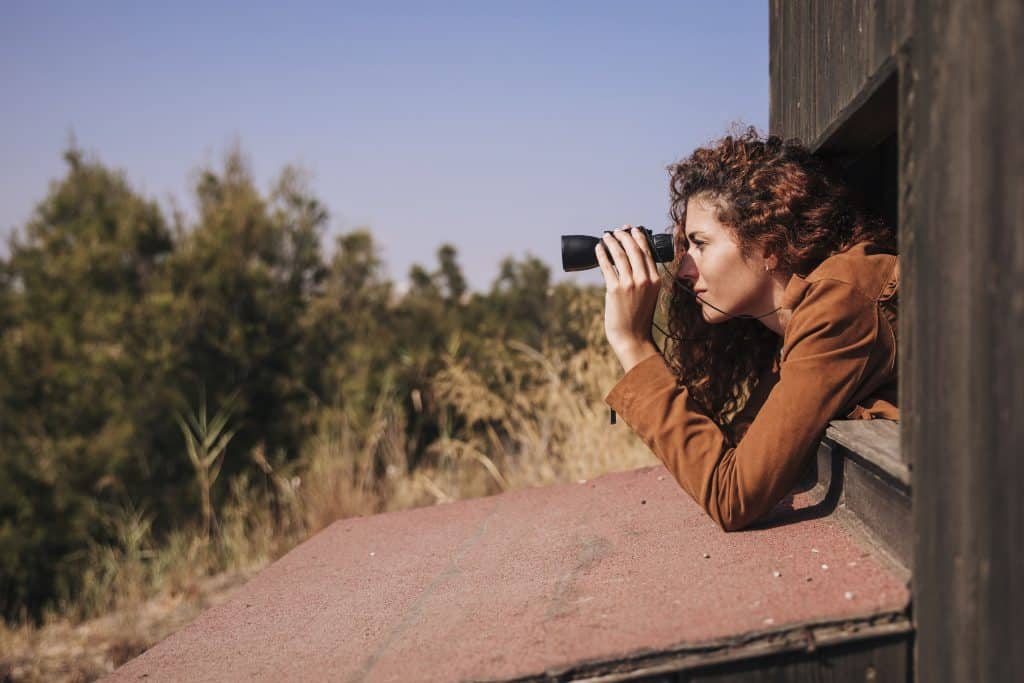
Birdwatching in Kruger National Park is one of the most rewarding wildlife experiences in Southern Africa. Kruger is a paradise for ornithologists, photographers, and nature lovers alike, with over 500 bird species recorded. But when exactly is the best time for bird watching in Kruger?
The answer depends on what kind of birding experience you’re after, whether it’s spotting colourful migrants, observing raptors in action, or capturing waterbirds gathered around the park’s many rivers and dams. Below, we break down the Kruger bird watching times throughout the year, what to expect each season, and where to stay to make the most of your trip. Read on to learn how to make the most of your next birdwatching expedition in Kruger.
Understanding the best time birdwatching in Kruger
Kruger National Park’s climate plays a major role in bird activity. The park experiences two main seasons: the dry winter (May to September) and the wet summer (October to April). Each season offers a distinct birding atmosphere, influenced by rainfall, vegetation, and migratory patterns.
Wet season (October – April): The birding bonanza
The wet season is widely considered the best time for bird watching in Kruger. Between October and April, the landscape transforms into a lush paradise. The first rains trigger an explosion of insect life, which attracts hundreds of bird species, including many colourful migrants from Europe, Asia, and other parts of Africa.
Highlights of summer birdwatching
- Migratory species arrive: This is when you’ll spot European bee-eaters, Amur falcon, wood sandpipers, yellow-billed kites, and broad-billed rollers.
- Breeding season: Many resident species don their vibrant breeding plumage, build nests, and display fascinating courtship behaviour. You’ll see weavers, kingfishers, and sunbirds in full splendour.
- Abundant waterbirds: Rivers, pans, and dams fill up, drawing herons, storks, and egrets in great numbers.
- Best photographic conditions: The greenery, dramatic skies, and dynamic lighting make for stunning bird photography.
While summer brings spectacular sightings, the thick vegetation can sometimes hide smaller or well-camouflaged species. Nonetheless, the sheer abundance of activity makes it prime bird watching Kruger National Park time.
Dry season (May – September): Raptors and river action
The dry winter months also offer exceptional Kruger birding if you prefer easier visibility and cooler weather. As water sources shrink, birds congregate around the remaining rivers and dams, a dream for photographers and patient watchers alike.
Highlights of winter birdwatching
- Raptors galore: This is the season to spot eagles, hawks, and vultures soaring effortlessly across the dry skies. Look for the Bateleur eagle, African fish eagle, martial eagle, and brown snake eagle.
- Concentrated bird activity: Birding hotspots become easier to identify with fewer water sources. Visit Lake Panic Hide, Transport Dam, and Skukuza Lagoon for close-up encounters.
- Ideal temperatures: Crisp mornings and mild afternoons make it comfortable to spend long hours outdoors.
- Resident species are reliable: Even without migrants, Kruger’s year-round residents, such as hornbills, starlings, rollers, and bee-eaters, ensure an engaging birding experience.
So while the wet season wins for diversity, the dry season is arguably more visually accessible. Both have their unique charm, and many enthusiasts plan two visits a year to enjoy the best of both worlds.
Month-by-month guide to Kruger bird watching times
Month | Birdwatching highlights |
October | Start of rains; arrival of first migrants; weavers and rollers begin nesting. |
November – December | Peak migration season; insect activity at its highest; vibrant bird colours everywhere. |
January – February | Waterbirds in abundance; best for spotting waders and herons around pans. |
March – April | Migrants prepare to leave; mixed flocks of residents and visitors offer exciting variety. |
May – June | Clear skies, cooler weather; best time for raptors and open-sky photography. |
July – August | Fewer species overall but easier visibility; riverbank birding is excellent. |
September | Transition period; vegetation sparse, bird numbers start to rise before summer. |
This table gives you a clear sense of how Kruger bird watching times change through the year, helping you plan your visit to match your interests.
Where to go for the best bird watching in Kruger
Kruger’s massive size, spanning nearly 20,000 square kilometres, means birdlife varies across regions. Some areas are particularly rewarding for keen birders:
Southern Kruger (Skukuza, Lower Sabie, Kruger Gate)
- Habitat: Woodlands, riverine forests, and dams.
- Species highlights: Lilac-breasted roller, African fish eagle, malachite kingfisher, green pigeon.
- Why it’s special: Excellent mix of habitats and accessibility. The Sabie River attracts both woodland and waterbirds, making it a top birding zone near Kruger Gate Hotel.
Central Kruger (Satara, Tshokwane)
- Habitat: Open savannahs.
- Species highlights: Kori bustard, secretary bird, brown snake eagle, red-crested korhaan.
- Why it’s special: Prime territory for grassland and raptor species, ideal for photographers.
Northern Kruger (Pafuri, Shingwedzi)
- Habitat: Riverine forests and wetlands.
- Species highlights: Pel’s fishing owl, tropical boubou, crested guineafowl, Arnot’s chat.
- Why it’s special: Birders call this the “birder’s paradise” of Kruger. The biodiversity here is unmatched, especially for rare and range-restricted species.
Tips for successful bird watching in Kruger National Park
To make your bird watching Kruger National Park experience truly memorable, consider these expert tips:
- Start early: Birds are most active from sunrise until about 9 a.m. The soft morning light also enhances your viewing and photography.
- Bring the right gear: Binoculars (8×42 or 10×42), a camera with a telephoto lens, and a field guide like Roberts Birds of Southern Africa are must-haves.
- Stay quiet and patient: Move slowly and listen for calls—many sightings start with sound.
- Visit hides and viewpoints: Kruger’s bird hides, such as Lake Panic near Skukuza, offer unbeatable close-up opportunities.
- Book a guided birding safari: Local guides can help you identify calls, locate rare species, and share ecological insights.
Stay at the Kruger Gate Hotel – A birdwatcher’s haven
Kruger Gate Hotel is perfectly positioned for those who want luxury, comfort, and proximity to top birding spots. Located just outside the Paul Kruger Gate, the hotel overlooks the Sabie River—a natural magnet for birdlife. It’s common to spot hornbills, kingfishers, fish eagles, and even African paradise flycatchers fluttering nearby, from the deck or pool area.
Guests can also arrange early-morning guided birding walks through SANPARKS or game drives through the hotel, ensuring access to the park during the best light and most active hours. The combination of elegant accommodation, natural immersion, and expert guidance makes Kruger Gate Hotel an optimal base for exploring Kruger Park birds year-round.
Closing thoughts
So, when is the best time for bird watching in Kruger?
Visit from October to April during the wet summer when migratory birds and breeding displays dominate if you want variety and colour. Aim for May to September, when raptors rule the skies and sightings are easier if you prefer clarity and comfort.
Ultimately, Kruger National Park offers world-class birding in every season, it just depends on your focus. You’ll find something magical about watching Kruger Park birds against the backdrop of Africa’s most iconic landscape, whether you’re a serious birder or a curious traveller.
And when you’re ready to relax after a morning of sightings, Kruger Gate Hotel awaits; where luxury meets the wild, and every chirp outside your window reminds you that you’re in one of the world’s greatest birdwatching destinations. Contact us today to embark on an extraordinary birding adventure!