


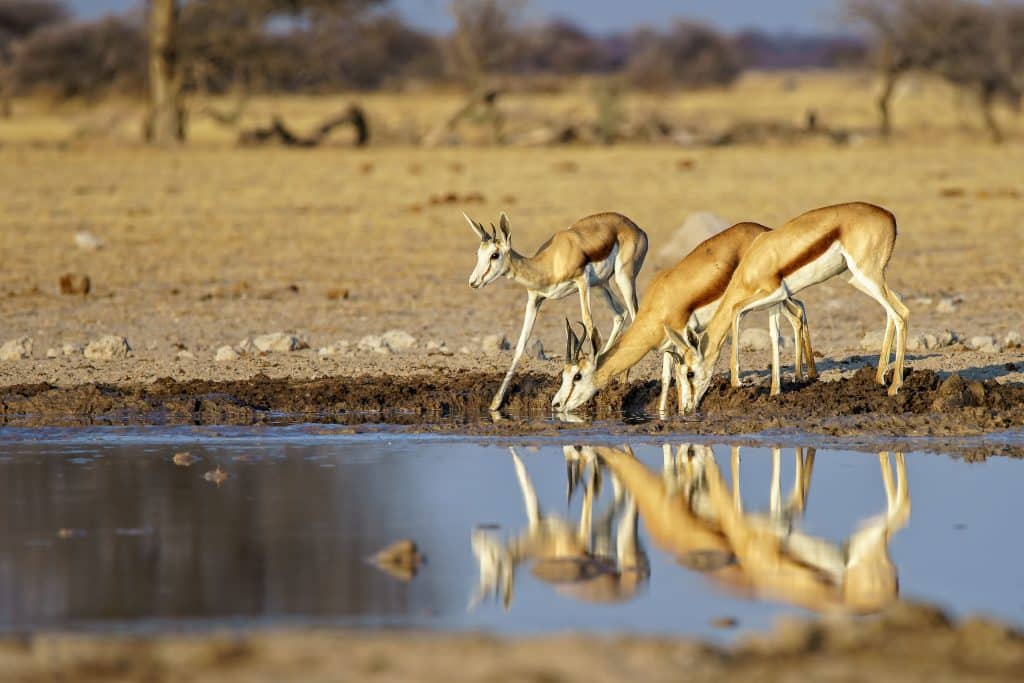
Planning a safari to Kruger National Park in 2026? A common question travellers ask is: When is the best time to go to Kruger? The answer depends on what kind of experience you’re hoping for.
Stretching along the borders of Zimbabwe and Mozambique, Kruger is one of Africa’s largest and most diverse wildlife reserves. From mesmerising predator encounters during the dry winter months to lush, bird-filled landscapes in summer, every season offers something unique.
This month-by-month guide will help you decide the best time to visit Kruger Park South Africa in 2026, based on weather, wildlife activity, and travel style, whether you’re planning a romantic Easter escape, a mid-year wellness retreat, or a festive family safari at Kruger Gate Hotel.
Best time to go to Kruger: Monthly 2026 guide
2026 Kruger National Park safari by month summary table
Here’s a quick-reference guide comparing the Kruger National Park safari by month to make planning easier:
|
Month |
Season |
Wildlife Viewing |
Birding |
Landscape |
Ideal For |
|
January |
Rainy (Summer) |
Moderate |
Excellent |
Lush & green |
Birdwatchers, photographers |
|
February |
Rainy (Summer) |
Moderate |
Excellent |
Vibrant & dense |
Nature lovers |
|
March |
End of rains |
Good (predators active) |
Very good |
Green & dramatic |
Action photography |
|
April |
Early dry |
Very good |
Good |
Thinning bush |
Big 5 seekers |
|
May |
Dry season |
Excellent |
Moderate |
Sparse vegetation |
Classic safari |
|
June |
Winter dry |
Excellent |
Moderate |
Open landscapes |
Peaceful safaris |
|
July |
Peak dry |
Excellent |
Moderate |
Clear & open |
First-time visitors |
|
August |
Peak dry |
Excellent |
Moderate |
Sandy & dramatic |
Wildlife photography |
|
September |
Late dry |
Outstanding |
Moderate |
Sun-baked |
Predator sightings |
|
October |
Warm dry |
Very good |
Fair |
Crisp & intense |
Experienced safari-goers |
|
November |
Early rains |
Good |
Very good |
Freshening up |
Quieter travel |
|
December |
Rainy (Summer) |
Moderate |
Excellent |
Lush & alive |
Families & birders |
January – New beginnings in the bush
January in Kruger marks the start of the rainy season. The park becomes lush and green, bringing a peaceful charm to the area. You’ll see plenty of baby animals being born, especially antelopes and wildebeest. Birdwatchers will also love it; migratory birds are around in full force. It’s a quiet, refreshing time to enjoy the natural beauty if you’re wondering when to visit Kruger.
February – A nature lover’s paradise
February is still a rainy month, with the weather often warm and humid. But the rains bring life, and the park becomes vibrant with lush vegetation. The abundant grass makes it a great time to spot predators hunting for young prey. Leopard and lion sightings are common, especially near waterholes. This month is ideal for spotting the many migrants that pass through if you enjoy bird watching.
March – Great for predator sightings
The rain starts to taper off by March. The lush green landscape makes the animals a bit harder to spot, but this is the time to catch the action! Predators like lions, cheetahs, and leopards are more active, hunting in the cooler early mornings. This is also a great time for photography, as the park is beautifully green and teeming with life. Find out more about Kruger National Park weather in March.
April – Warm days and cooler nights
April sees the start of the dry season, with warmer days and cooler nights. Wildlife is abundant during this time, and because the vegetation isn’t as thick, animal sightings are clearer. Elephants, giraffes, and buffaloes are often seen near waterholes. April is also a great time to spot the Big 5, and a must for anyone seeking incredible safari experiences.
May – The dry season begins
As May in the Kruger National Park rolls around, the dry season fully kicks in. The temperatures cool down, and the vegetation starts thinning out, which makes spotting wildlife much easier. The waterholes become central to wildlife activity, drawing animals of all kinds. Expect to see big herds of elephants, and predators are more active, so keep an eye out for lions, leopards, and cheetahs.
June – Winter’s chill and stunning landscape
Winter hits Kruger Park in June, bringing cooler mornings and evenings. The park’s landscape is dry, but this is when the wildlife really comes out to play. With fewer leaves on the trees and clear skies, your chances of spotting animals are at their highest. This is also the time when the park is its most serene, so it’s an ideal month for peaceful game drives.
July – The heart of the dry season
July is one of the best months to visit Kruger. The dry conditions continue, and the park’s landscape is vast and clear. Wildlife gatherings around water sources are easy to spot, and the mornings are crisp and cool, optimal for safaris. You’ll have excellent chances to see buffalo, elephants, lions, and even rare species like wild dogs, all around the waterholes.
August – A photographer’s dream
Kruger Park in August, the dryer conditions persist, and temperatures start to rise a little. This is prime time for photographers. The wildlife is abundant around the remaining waterholes, and the clear, open landscape makes it easy to capture stunning shots. This is the best month to visit Kruger National Park for fantastic opportunities to see big herds of elephants or marvel at lions resting in the sun.
September – The heat begins
By September, the heat begins to ramp up, and the dry season is in full swing. The days are hot, but early mornings and evenings remain cooler. Animals gather around the last few remaining waterholes, making sightings a bit easier. Predators such as lions, leopards, and hyenas are highly active. Also, September in the Kruger National Park is a great month to catch the migration of wildebeest and zebras from the surrounding areas.
October – The heat and excitement build
October marks the beginning of the hot season. The bush is dry, and the park sees plenty of animal action around waterholes. Game drives in the early mornings and late evenings are still great, but expect hot days during midday. Don’t be surprised to see lions hunting at dusk – the heat drives animals to the water, and the predators take advantage of it.
November – The first rains are on the way
As the dry season comes to an end, November brings a bit of relief with some light rains. The park starts to look lush again, and baby animals begin to make their appearance. This is a quieter month compared to peak season, and you can still enjoy great wildlife sightings, especially as the animals start moving closer to the waterholes. November is the perfect month for a peaceful safari.
December – A lively month of change
Kruger in December brings the summer rains, and while this marks the start of the rainy season, the animals are still abundant. The park is full of lush greenery, making it more difficult to spot wildlife, but it’s a fantastic month for bird watching. The fresh rains bring a new sense of energy to the park. You can see baby animals everywhere, and the predator-prey action is non-stop.
FAQ: Best time to go to Kruger in 2026
What is the best month to visit Kruger National Park?
The best month depends on your goals. For peak wildlife visibility and Big 5 sightings, June to September is ideal. For lush scenery and birdlife, November to March is excellent.
When is the best time to see the Big 5 in Kruger?
The dry winter months (May to September) offer the best Big 5 sightings, as animals gather around water sources and vegetation is sparse, making them easier to spot.
Is Kruger better in winter or summer?
Winter (June–August) is best for game viewing due to dry conditions. Summer (November–March) is greener, quieter, and better for birdwatching and seeing newborn animals.
Is the rainy season bad for safaris?
Not at all. While wildlife can be slightly harder to spot due to dense vegetation, the landscape is beautiful, birdlife is exceptional, and you’ll see many baby animals.
When is the best time for birdwatching in Kruger?
November to March is peak birding season, as migratory species arrive and breeding plumage makes sightings especially rewarding.
When should I book my 2026 Kruger safari?
Booking 6–12 months in advance is recommended to secure preferred accommodation and game drive slots for peak dry-season months (June–September) and festive season travel in December.
Conclusion: So, When Is the Best Time to Go to Kruger?
The truth is, there’s no single “perfect” month, only the best time to go to Kruger for you.
- Aim for May to September during the dry season if you want the best wildlife visibility and classic Big 5 sightings.
- November to March offers a vibrant, quieter experience if you love lush scenery, baby animals, and spectacular birdlife.
- Consider June or November for a balance of excellent sightings and tranquillity if you prefer the quiet.
No matter when you visit Kruger National Park, the magic lies in its ever-changing rhythms, and in choosing accommodation that places you right at the edge of the wild. At Kruger Gate Hotel, you’re at the optimal place for effortless access to sunrise game drives, guided walks, and memorable bush dining experiences. Book your 2026 safari escape at Kruger Gate Hotel today and experience the wild at its finest.