


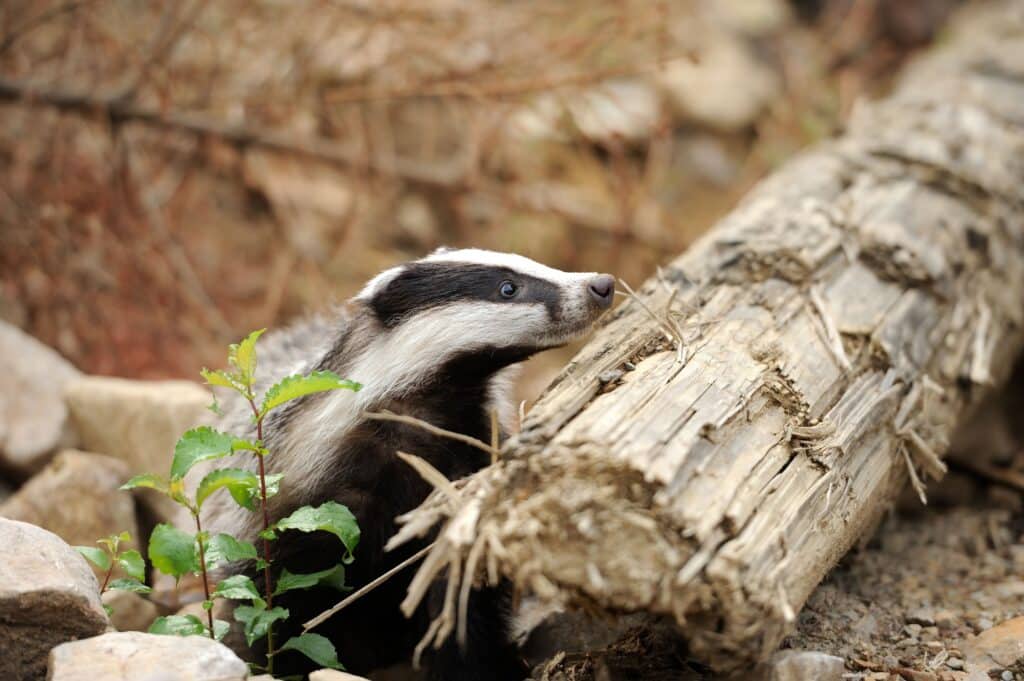
The most elusive animals in Kruger National Park include African wild dogs, pangolins, aardvarks, servals, caracals, honey badgers, and black rhinos. These rare species inhabit specific regions of Kruger’s vast ecosystem, from the southern granite savannas near Paul Kruger Gate to the northern sandstone areas. Spotting these endangered and secretive animals requires patience, expert guidance, and strategic timing during guided safari drives.
7 rarest animals in Kruger: Ultimate wildlife guide
Kruger National Park harbours some of Africa’s most extraordinary yet secretive wildlife. While visitors largely focus on the famous Big Five, the park’s true treasures include seven remarkably elusive species that few guests encounter during their safari adventures.
These rare animals in Kruger National Park represent both evolutionary marvels and conservation challenges. Each species has adapted unique survival strategies that make wildlife sightings genuinely special occasions, from critically endangered carnivores to nocturnal specialists.
Ground Pangolin: The armoured enigma
Perhaps no animal embodies mystery like the ground pangolin, Africa’s only scaled mammal. These prehistoric-looking creatures face extinction pressures from illegal trafficking, making every sighting precious for conservation efforts.
Understanding Pangolin Behaviour
Pangolins emerge exclusively during cooler evening hours, using their powerful claws to excavate ant and termite nests. Their defensive strategy involves rolling into an impenetrable armoured ball when threatened.
Their solitary nature and specific habitat requirements make pangolins exceptionally challenging to observe. Expert guides often rely on fresh digging signs and termite mound activity to predict potential sightings.
The African wild dog: Kruger’s rarest predator
The African wild dog stands as one of Africa’s most endangered carnivores, with approximately 150 individuals roaming Kruger’s vast landscapes. These pack hunters, distinguished by their distinctive coat patterns and oversized ears, face severe territorial pressures and human-wildlife conflict.
Spotting strategies for wild dogs
Wild dog sightings normally occur in the park’s central and northern regions, particularly around Satara and Olifants camps. These highly mobile predators can cover 50 kilometres daily, making encounters unpredictable yet incredibly rewarding.
Their hunting success rate exceeds 80%, making them Africa’s most efficient predators. Wild dogs rarely scavenge unlike lions or leopards, relying entirely on coordinated pack hunts.
Best viewing areas:
- Central Kruger (H7 and S100 roads)
- Northern regions near Letaba
- Open grasslands during early morning drives
Aardvark: The nocturnal earth-pig
The aardvark represents one of Africa’s most unusual mammals, sharing no close relatives with any living species. These powerful diggers reshape entire landscapes through their relentless pursuit of ant colonies.
Aardvark habitat preferences
Aardvarks favour areas with abundant termite activity, particularly the clay soils near river systems. The Sabie River region, where luxury safari accommodation provides strategic positioning, offers prime aardvark territory.
Their muscular build allows them to excavate burrows exceeding two metres deep within hours. These temporary shelters often become permanent homes for warthogs, hyenas, and other species.
Serval: The grassland specialist
Servals thrive in Kruger’s wetland margins and grassland mosaics, utilising their exceptional hearing to locate rodent prey beneath vegetation. Their distinctive spotted coat and elongated legs make them unmistakable when encountered.
Optimal serval viewing conditions
Early morning drives through marshy areas yield the highest serval encounter rates. These cats prefer hunting during temperature transitions when small mammals are most active.
Servals demonstrate remarkable jumping abilities unlike other African cats, leaping three metres vertically to catch birds mid-flight. Their hunting success depends entirely on acoustic precision rather than visual stalking.
Caracal: The desert Lynx
Caracals represent Kruger’s most adaptable feline predator, thriving across diverse habitats from rocky outcrops to dense riverine forests. Their distinctive tufted ears serve as communication tools and hunting aids.
Caracal distribution patterns
These solitary cats maintain large territories, frequently overlapping with multiple individuals of the opposite sex. Males may control ranges exceeding 50 square kilometres, while females occupy smaller, prey-rich areas.
Caracals demonstrate remarkable climbing abilities, often hauling prey twice their body weight into trees. Their diverse diet includes everything from small birds to young antelopes.
Honey Badger: The fearless survivor
Honey badgers embody tenacity and adaptability, earning reputations as Africa’s most fearless mammals. Their thick skin and aggressive nature allow them to tackle prey many times their size, including venomous snakes.
Honey Badger encounter zones
These omnivores prefer rocky terrain and woodland edges, particularly areas with abundant ground-nesting birds and reptiles. The granite landscapes surrounding Paul Kruger Gate provide ideal honey badger habitat.
Their intelligence rivals that of primates, demonstrated through tool use and complex problem-solving behaviours. Honey badgers have been observed using logs as ladders and stones as digging implements.
Black Rhinoceros: The critically endangered browser
Black rhinos represent one of conservation’s greatest success stories and ongoing challenges. Kruger’s population has grown through intensive management, yet these magnificent browsers remain critically endangered throughout their range.
Rhino conservation in Kruger
Intensive anti-poaching efforts and strategic relocations have stabilised Kruger’s black rhino population. These browsers prefer dense thicket areas where their prehensile lips can select specific plant parts.
Unlike their white rhino cousins, black rhinos demonstrate more solitary and aggressive temperaments. Bulls maintain territories through scent marking and occasional violent confrontations with rivals.
Your gateway to Kruger’s hidden wildlife
Kruger Gate Hotel’s strategic location at Paul Kruger Gate provides incomparable access to these elusive species’ preferred habitats. Our experienced guides understand animal behaviour patterns and utilise optimal timing strategies to maximise rare wildlife encounters in Kruger.
Our guided safari drives venture into remote areas where these secretive animals feel comfortable emerging from hiding.
Conservation through responsible tourism
Witnessing these rare animals in Kruger contributes directly to conservation funding and research initiatives. The entrance fee into SANPARKS supports anti-poaching efforts and habitat preservation programmes essential for species survival.
Tourism revenue enables continued monitoring of wild dog packs, pangolin research projects, and rhino protection measures. Your visit becomes an active conservation contribution while providing exceptional wildlife experiences.
Animals in Kruger: Frequently asked questions
What are the rarest animals to see in Kruger National Park?
African wild dogs are considered the rarest large predators in Kruger, with approximately 150 individuals remaining in the park. Other extremely rare sightings include ground pangolins, aardvarks, and black rhinos, each presenting unique conservation challenges.
When is the best time to spot elusive animals in Kruger?
Early morning and late afternoon drives offer optimal viewing opportunities for most elusive species. Many rare animals like aardvarks and pangolins are primarily nocturnal, making dawn drives particularly productive for unusual sightings.
Which areas of Kruger National Park have the most endangered species?
The central and southern regions of Kruger, particularly around the Sabie River system near Paul Kruger Gate, harbour diverse endangered species populations. These areas provide varied habitats supporting everything from wild dogs to pangolins.
How can tourists contribute to protecting Kruger’s endangered animals?
Responsible tourism through established operators directly funds anti-poaching initiatives and conservation research programmes. Choosing guided drives with experienced operators ensures minimal wildlife disturbance while maximising conservation contributions.
Are there guaranteed animal sightings for rare species in Kruger?
No ethical safari operator can guarantee sightings of elusive animals, as this depends on natural behaviour patterns and environmental factors. However, experienced guides significantly increase encounter probabilities through specialised timing strategies.
What makes African wild dogs so endangered in South Africa?
African wild dogs face threats from habitat fragmentation, human-wildlife conflict, and disease transmission from domestic dogs. Their large territory requirements and pack structure make them particularly vulnerable to population pressures and road accidents.
Conclusion
Kruger National Park’s most elusive animals represent both conservation triumphs and ongoing challenges. These seven species embody the wild heart of Africa, where every sighting becomes a privilege rather than an expectation.
Experience these rare wildlife encounters from the comfort and expertise offered by Kruger Gate Hotel’s guided safari programmes. Our strategic location and experienced guides provide your best opportunity to witness South Africa’s most secretive natural treasures. Book your stay at the Kruger Gate Hotel today.