


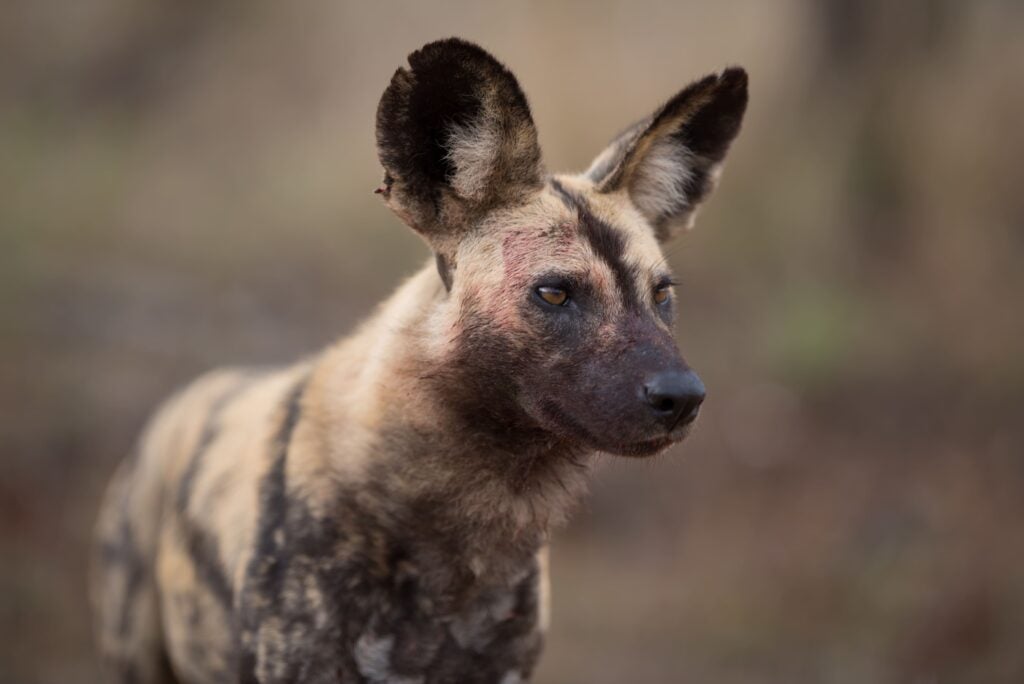
The endangered species in South Africa are numerous, with Kruger National Park serving as a critical sanctuary for rare animals including African wild dogs, black rhinos, and cheetahs. The park’s conservation programmes protect over 147 mammal species across 19,485 square kilometres in Mpumalanga and Limpopo provinces, making it one of Africa’s most important wildlife refuges.
Kruger safari guide: Endangered species in South Africa
Kruger National Park stands as South Africa’s premier wildlife sanctuary, protecting some of the continent’s most endangered species across its vast wilderness in Mpumalanga and Limpopo provinces. This legendary park serves as a lifeline for rare animals facing extinction, implementing world-class conservation programmes that have helped stabilise vulnerable populations.
Visitors who support conservation will find Kruger Gate Hotel provides unrivalled access to the park’s diverse ecosystems through responsible Kruger safari tourism.
Africa’s most critically endangered species in Kruger
Black Rhinoceros: The park’s crown jewel
The black rhinoceros represents one of South Africa’s greatest conservation success stories within Kruger National Park. These magnificent browsers, distinguished from their white rhino cousins by their pointed lips, roam the park’s thornveld and woodland areas.
Kruger’s rhino population benefits from intensive anti-poaching operations and veterinary care.
Conservation Status: Critically endangered with approximately 400-500 individuals in Kruger
African wild dogs: The painted hunters
African wild dogs, known locally as painted dogs, represent Africa’s most endangered large carnivore. Their distinctive mottled coats and pack-hunting strategies make them among Kruger’s most sought-after sightings.
These highly social animals require vast territories, making Kruger’s expansive wilderness essential for their survival.
Wild dog pack statistics | Details |
Pack Size | 8-12 individuals |
Territory Range | 400-1,500 km² |
Hunting Success Rate | 80-90% |
Daily Distance | Up to 50km |
Cheetahs: Speed meets vulnerability
Cheetahs face unique challenges in Kruger’s dense bushveld, preferring the park’s more open grasslands for hunting. These spotted speedsters compete with larger predators and require specific habitat conditions to thrive.
Protected animals in South Africa: Conservation success stories
Ground Hornbill Conservation Programme
The Southern Ground Hornbill, South Africa’s largest endemic bird species, benefits from Kruger’s targeted breeding programs. These impressive birds, with their distinctive red facial skin, play crucial ecosystem roles as apex predators of insects and small mammals.
Kruger Gate Hotel guests often spot these magnificent birds during guided safari experiences, particularly in the park’s central regions where suitable nesting sites remain abundant.
Sable Antelope: Majestic survivors
Sable antelope, with their distinctive curved horns and striking black coats, represent successful conservation within Kruger’s woodland habitats. These impressive antelopes prefer the park’s northern sections, where guests from Kruger Gate Hotel frequently encounter small herds.
Rare animals in Kruger National Park: Hidden treasures
Pangolins: The armoured enigma
Pangolins remain among Africa’s most elusive mammals, with Kruger serving as one of their last strongholds in South Africa. These unique insectivores, covered in protective scales, face severe threats from illegal trafficking.
Night drives occasionally reveal these secretive creatures, though sightings require patience and expert guide knowledge available through specialised safari packages.
Riverine Rabbit: Kruger’s secret resident
The critically endangered riverine rabbit finds refuge in Kruger’s riparian zones along the Sabie River. These small mammals require specific habitat conditions, making conservation efforts particularly challenging.
Samango Monkey: Forest dwellers
Samango monkeys inhabit Kruger’s limited forest patches, particularly along major river systems. These arboreal primates represent the southernmost extent of their species’ range, making Kruger’s population genetically unique.
Conservation efforts and research programmes
Kruger National Park implements comprehensive conservation strategies combining anti-poaching operations, veterinary care, and scientific research. The park’s endangered species monitoring programs utilise cutting-edge technology including satellite collars, camera traps, and genetic sampling.
Key Conservation Initiatives:
- Rhino Protection Units – 24/7 monitoring and anti-poaching patrols
- Wild Dog Research Project – Population dynamics and territory mapping
- Carnivore Conflict Mitigation – Human-wildlife coexistence programs
- Habitat Restoration – Ecosystem rehabilitation and alien species removal
Guests staying at Kruger Gate Hotel directly support these conservation efforts through park entrance fees that fund ongoing protection programmes.
Kruger’s conservation leadership
Kruger National Park established itself as Africa’s conservation pioneer since 1898, protecting endangered species across 19,485 square kilometres of pristine wilderness. The park’s location spanning Mpumalanga and Limpopo provinces creates diverse ecosystems supporting 147 mammal species.
South African National Parks (SANParks) manages Kruger’s conservation programmes in partnership with international organisations including the World Wildlife Fund and Endangered Wildlife Trust. These collaborative efforts have successfully stabilised several critically endangered populations through scientific management and community engagement.
The park’s proximity to Mozambique’s Limpopo National Park and Zimbabwe’s Gonarezhou National Park creates the Great Limpopo Transfrontier Park, enhancing conservation effectiveness across international boundaries.
Frequently asked questions about the endangered species of South Africa
What endangered species can I see in Kruger National Park?
Kruger National Park protects numerous endangered species including black rhinos, African wild dogs, cheetahs, and ground hornbills. The park’s diverse ecosystems support over 147 mammal species, with many classified as vulnerable or endangered. Sightings depend on seasonal movements, weather conditions, and expert guide knowledge.
How does Kruger National Park protect endangered animals?
Kruger implements comprehensive conservation strategies including 24/7 anti-poaching patrols, veterinary care programs, and scientific research initiatives. The park employs over 500 rangers and utilises advanced technology like satellite tracking and camera traps. Revenue from tourism directly funds these conservation efforts.
Can I participate in conservation activities while visiting Kruger?
Yes, visitors can support conservation through responsible tourism practices, participating in educational programs, and choosing accommodations like Kruger Gate Hotel that contribute to conservation funding.
What is the best time to see endangered animals in Kruger?
Kruger National Park offers year-round wildlife viewing opportunities, with each season providing unique advantages. Early morning and late afternoon game drives provide optimal viewing conditions when animals are most active. Professional guides adjust strategies based on seasonal animal behaviour patterns and current sightings.
How successful has Kruger been in protecting endangered species?
Kruger’s conservation efforts have achieved significant success, stabilising several critically endangered populations through intensive management programs. Black rhino numbers have increased through anti-poaching efforts, while wild dog populations remain stable through habitat protection. The park serves as a model for African conservation initiatives.
Conclusion
South Africa’s endangered species find sanctuary within Kruger National Park’s protected wilderness, where dedicated conservation efforts ensure their survival for future generations. From the critically endangered black rhino to the elusive African wild dog, these magnificent creatures represent the success of collaborative conservation initiatives.
Experience these rare animals responsibly by staying at Kruger Gate Hotel, where luxury accommodation meets conservation commitment. Our guided safari experiences provide expert knowledge and optimal viewing opportunities while supporting ongoing protection efforts. Book your safari adventure today to get a view of South Africa’s wildlife protection legacy.