


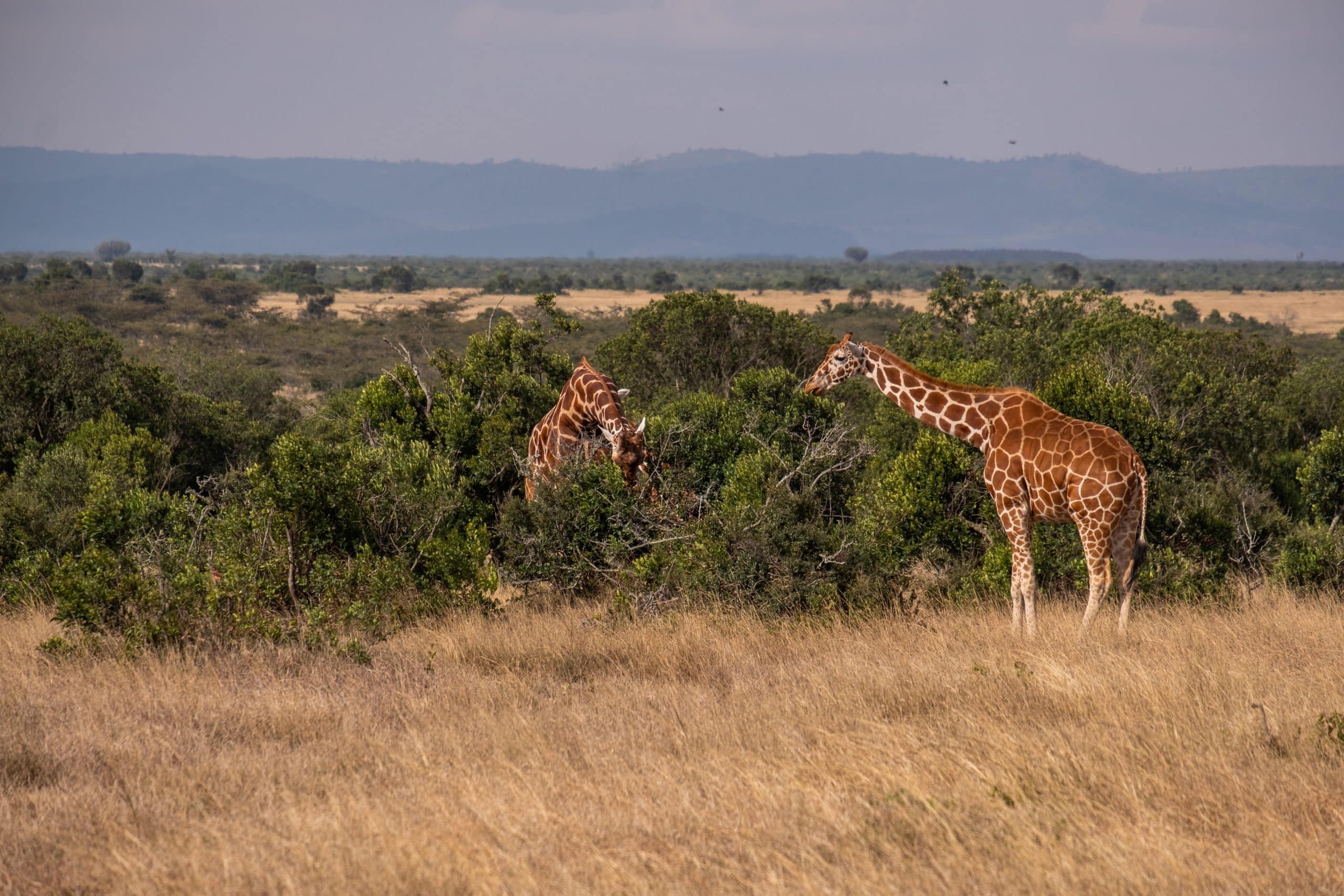

A seasonal safari in South Africa unfolds according to nature’s own timing. It is shaped by rainfall and dryness, by the movement of animals and the slow transformation of the land. The bush does not offer the same experience twice. Each season carries its own atmosphere, revealing different textures, sounds and encounters.
Understanding the seasons in Kruger National Park allows travellers to choose a safari experience that aligns with how they wish to engage with the wild. Whether drawn to open landscapes and clear visibility or lush scenery and layered wildlife moments, South Africa offers meaningful safari experiences throughout the year.
Seasonal safari across the African Safari four seasons in South Africa
The African safari four seasons are defined by two distinct periods in South Africa. The dry season and the green season each bring their own rhythm to the bush. Together, they shape the flow of wildlife movement, vegetation and overall atmosphere within the park.
Rather than offering a single ideal moment, these seasons provide different ways of seeing and understanding the landscape.
Dry season in Kruger National Park | May to October
The dry season is often regarded as the best time for safari in South Africa, particularly for travellers seeking clarity and consistency in wildlife viewing. As rainfall subsides, grasses thin and trees shed their leaves. With water becoming more limited, animals gather near rivers and waterholes, creating natural points of activity.
Morning game drives begin in cool air and soft light. As the day warms, the bush opens visually, allowing sightings to unfold at an unhurried pace. Dusty tracks reveal fresh footprints, and the quieter environment makes it easier to observe animal behaviour.
Why travel during the dry season:
- Wildlife is easier to locate due to reduced vegetation
- Animals gather around reliable water sources
- Clear skies support consistent photography conditions
- Mornings and evenings offer comfortable temperatures
This season brings a sense of stillness and focus. Elephants linger along riverbanks, antelope move steadily across open ground, and the sound of distant lions carries through dry grass. It is a time defined by space, visibility and calm observation.
Green season in kruger national park | November to April
With the return of rainfall, the landscape begins to change. The green safari season in December introduces colour, movement and renewal across Kruger National Park. Trees fill out, grasses rise, and the bush becomes textured and layered. This is a season shaped by growth and contrast.
Many antelope species give birth during this time, drawing increased predator activity. Birdlife flourishes as migratory species arrive, bringing sound and movement to the canopy. While wildlife may be more dispersed across the landscape, encounters often feel intimate and unplanned.
Why travel during the green season:
- Calving season brings dynamic wildlife interactions
- Birdlife is at its most diverse and active
- The landscape is lush and visually rich
Storms may pass quickly, followed by clear skies and fresh light. Newborn animals move cautiously beside their mothers, while predators remain attentive in tall grass. The green season offers depth and atmosphere, rewarding patience and attentiveness.
Best time for safari in South Africa
There is no single best time for safari in South Africa. Each season offers value, depending on what a traveller hopes to experience. Those seeking structure and open visibility may prefer the dry season. Those drawn to colour, birdlife and evolving landscapes may find the green season more compelling. Both seasons present the park honestly, shaped by natural cycles rather than predictability.
choosing a seasonal safari experience
A seasonal safari is not about timing perfection. It is about alignment. Some travellers are inspired by wide open views and crisp mornings. Others prefer dramatic skies, softer light and quieter moments. The seasons in Kruger National Park allow for both approaches.
At Kruger Gate Hotel, each season brings its own rhythm to the stay. Mornings unfold gently, afternoons settle into stillness, and evenings are guided by the sounds of the bush beyond the river. The changing landscape becomes part of the experience, rather than a backdrop. Because the wild does not wait for a specific month. It moves continuously, shaped by time, weather and instinct. And each season offers its own way of being present within it. Plan your seasonal safari with us.